


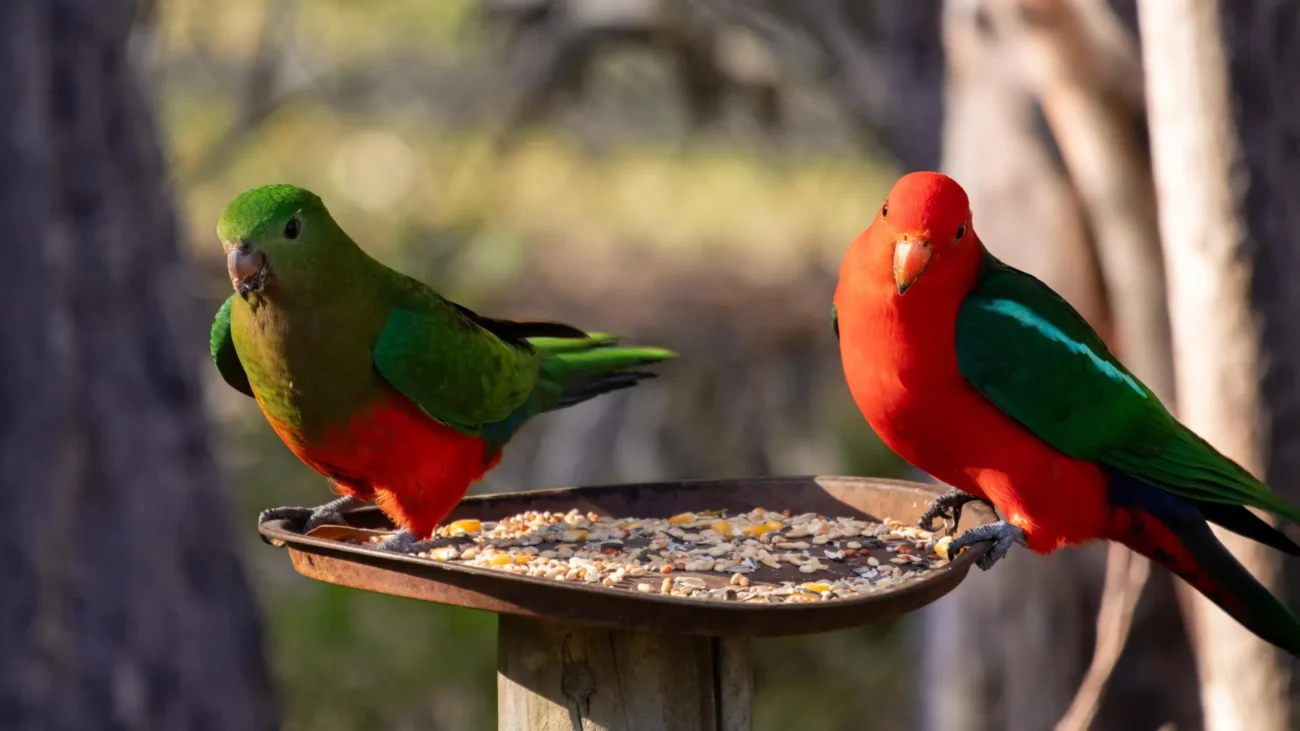
For millions of households across Australia, the morning routine of tossing seeds, grains, or kitchen scraps onto a balcony or backyard lawn is a cherished connection to nature. Research indicates that approximately half of all Australian households engage in the practice of feeding wild birds, with a significant percentage doing so on a daily basis. Driven by a deep-seated affection for native wildlife and a desire to support urban ecosystems, citizens view this activity as a harmless, nurturing hobby. However, as the highly pathogenic H5N1 strain of avian influenza sweeps across the continent, wildlife biologists, biosecurity experts, and environmental authorities are sounding a stern warning: backyard feeding stations are inadvertently functioning as biological transmission hotspots, creating unprecedented risks for both native fauna and human health.
The gravity of the situation is underscored by recent ecological devastation. H5N1 has already decimated wild bird and mammalian populations globally, and its arrival in Australia marks a grim milestone in the nation’s environmental history. Recent mass mortality events, including the deaths of more than 1,000 crested terns and the tragic demise of a long-nosed fur seal—the first confirmed detection of the virus in an Australian mainland mammal—demonstrate that the contagion is no longer a distant threat confined to the Northern Hemisphere. Against this backdrop of escalating wildlife vulnerability, routine human behaviors like backyard bird feeding are receiving intense scrutiny from scientific communities.
Understanding the Chronology of the H5N1 Incursion in Australia
To comprehend the urgency surrounding backyard bird feeding restrictions, one must examine the timeline of the current avian influenza wave. While Australia had historically remained isolated from the most aggressive strains of highly pathogenic avian influenza (HPAI), the relentless global mobility of migratory seabirds and waterfowl eventually breached these geographic defenses.
In the initial phases of the regional outbreak, biosecurity agencies monitored coastal and remote island bird rookeries, where migratory species congregate in massive numbers. However, the virus quickly demonstrated its capability to cross ecological barriers. The tipping point for mainland concern arrived with mass mortality events hitting vulnerable coastal colonies, most notably the devastating loss of over a thousand crested terns in a single cluster. Shortly thereafter, the virus crossed over into marine mammals, culminating in the death of the long-nosed fur seal on the Australian mainland. This event confirmed researchers’ worst fears: H5N1 was transitioning from a purely avian pathogen into a multi-species crisis capable of infecting terrestrial scavengers and marine life alike.
As the virus penetrates deeper into the mainland, urban and suburban environments are becoming critical zones of intersection between human activity and wildlife movement. This convergence is precisely where backyard feeding stations elevate the baseline risk of a superspreader event.
The Mechanics of a Suburban Superspreader Event
In a natural setting, wild birds forage across vast territories, maintaining a distance from one another that naturally limits the rapid transmission of pathogens. Avian species naturally congregate in limited numbers around concentrated food sources, but supplementary feeding alters these natural behavioral patterns fundamentally.
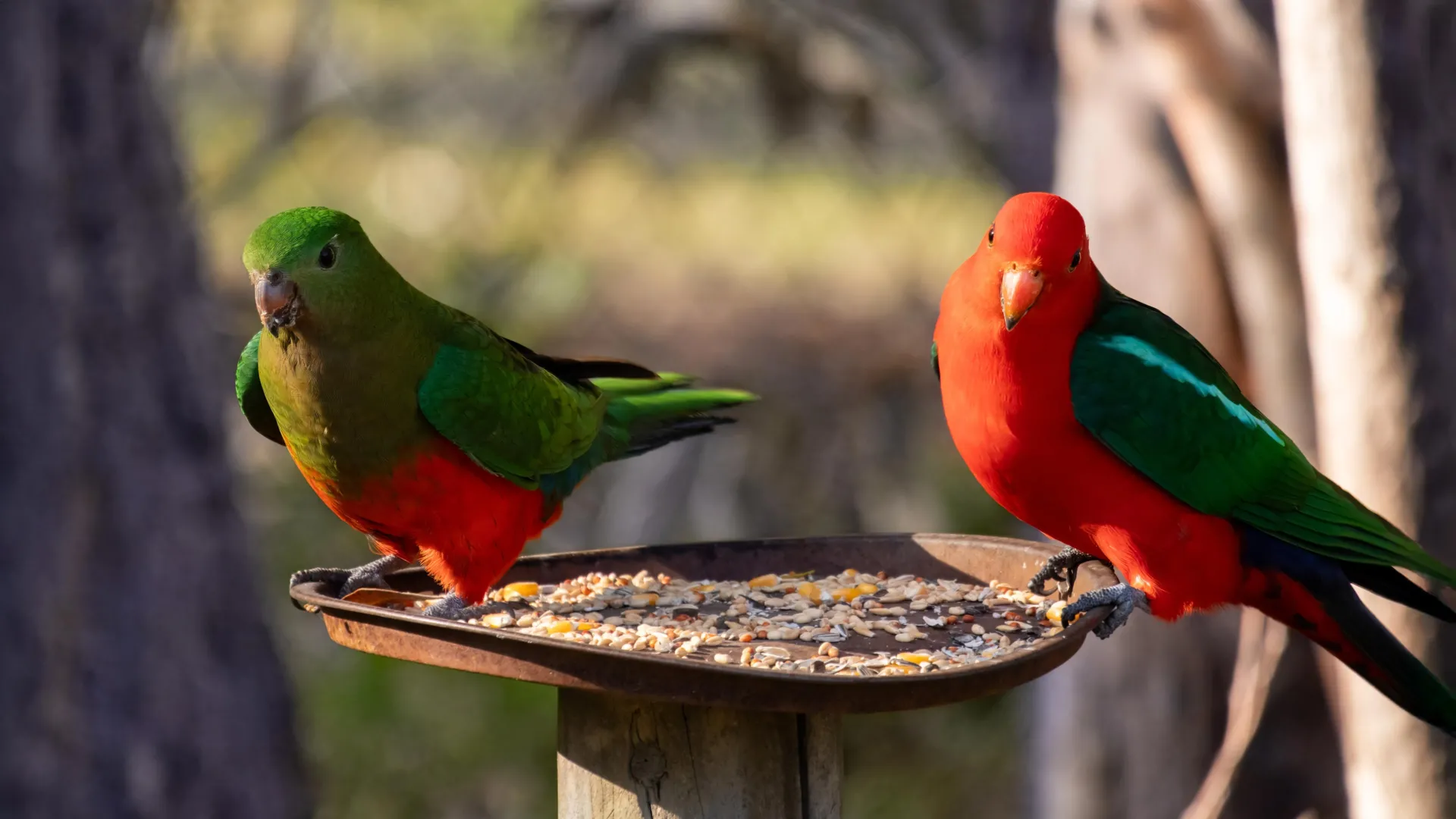
When homeowners scatter seeds, bread, or meat scraps on lawns and in hanging feeders, they artificially aggregate a diverse mix of avian species in densities that never occur in nature. Birds that would otherwise rarely interact—such as opportunistic urban scavengers, migratory waterbirds, and sensitive forest-dwelling species—are drawn into tight physical proximity. If a single migratory bird carrying the H5N1 virus visits a backyard feeding station, it can easily contaminate feeding surfaces, water baths, and the surrounding soil. Consequently, healthy birds feeding at the same location become exposed to massive viral loads.
This dynamic transforms suburban backyards into transmission hotspots. The stakes are particularly high for Australia’s already endangered and threatened endemic species. Iconic populations, such as the critically endangered orange-bellied parrot, face existential threats; an outbreak moving through localized flocks could push fragile species past the brink of extinction. Furthermore, the convergence of multiple species at single feeding sites increases the evolutionary opportunity for the virus to mutate, potentially enhancing its transmission efficiency or expanding its host range.
Ecological Ripple Effects: Scavengers, Mammals, and Humans
The catastrophic potential of H5N1 extends far beyond the avian class. Scavenger animals—including red foxes, urban possums, feral cats, and corvids like ravens and crows—frequently patrol suburban backyards and parks in search of easy meals. If these scavengers consume the carcasses of infected birds that succumbed to the virus in or near residential properties, they run a high risk of contracting the infection. The recent mainland fur seal death proves that non-avian wildlife is highly susceptible once exposed to high concentrations of the pathogen.
For humans, the threat profile is nuanced but requires strict vigilance. While human infection with the H5N1 strain remains rare and typically manifests with mild respiratory or systemic symptoms, the risk profile escalates significantly for individuals who come into direct, unmitigated contact with sick or dying wildlife. Wildlife carers, veterinary professionals, and well-meaning citizens who attempt to nurse or handle distressed animals face heightened exposure risks. Public health agencies stress that while casual observers walking through a park are at very low risk, handling infected animals or contaminated feeding equipment bridges the gap for zoonotic transmission.
Evaluating Official Guidance and Expert Recommendations
Faced with mounting biosecurity pressures, government agricultural departments, biodiversity councils, and ornithological organizations have united to issue clear, actionable guidelines for the public. The consensus among experts is unequivocal: the single most effective measure citizens can take is to cease feeding wild birds entirely.
Scientific studies consistently show that the vast majority of birds visiting backyard feeders derive the bulk of their daily nutritional requirements from natural landscapes, relying on insects, nectar, seeds, and worms found in native ecosystems. Therefore, the food provided by humans functions primarily as a supplemental snack rather than a vital survival meal. Halting the practice does not starve local bird populations; rather, it encourages them to disperse naturally across broader foraging territories, inherently enforcing social distancing among wildlife and dampening disease transmission rates.
For those households unwilling or unable to stop feeding wild birds completely, experts emphasize that adherence to strict risk-mitigation protocols is mandatory. These protocols are divided into three core precautionary pillars:
-
Drastically Reduce Food Volume: Lowering the quantity of seed, grain, and meat scraps offered prevents large, dense flocks from congregating. Limiting food availability curtails the duration birds spend crowded together, mirroring epidemiological principles applied during human health crises.
-
Eliminate Hand-Feeding: While hand-feeding creates a memorable, intimate wildlife interaction, it represents an unacceptable biosecurity risk in the current climate. Direct physical contact between humans and wild birds must be avoided to eliminate potential exposure vectors.
-
Maintain Rigorous Hygiene Standards: Feeding trays, platforms, and water baths must be cleaned and disinfected regularly using domestic-grade bleach solutions. Experts maintain that individuals unwilling or unprepared to commit to a rigorous sanitation schedule should dismantle their feeding stations immediately.
Broader Implications for Urban Conservation and Public Policy
The intersection of backyard bird feeding and the H5N1 crisis highlights a broader philosophical shift required in urban wildlife management. For generations, feeding wildlife has been championed as a positive expression of human empathy toward nature. However, the modern ecological reality demands a more scientifically informed approach to conservation.
As climate change, habitat fragmentation, and global pathogen movements increase the frequency of wildlife disease outbreaks, human habits that artificially manipulate animal behavior must be reevaluated. Biosecurity experts argue that true care for wildlife in the twenty-first century means protecting them from human-mediated disease amplification rather than treating them as domestic pets.
Moving forward, public policy and educational outreach campaigns must pivot toward promoting habitat-friendly gardening—such as planting native flora that provides natural food webs and shelter—rather than relying on artificial feeding stations. By cultivating native gardens, Australians can continue to enjoy the rich biodiversity of their backyards without inadvertently establishing viral breeding grounds.
Public Reporting and Emergency Protocols
As Australia navigates the complexities of the H5N1 outbreak, community vigilance remains a frontline defense. Authorities urge citizens to exercise extreme caution and adhere to strict safety protocols should they encounter wildlife exhibiting unusual symptoms or mortality.
Under no circumstances should members of the public touch sick, dying, or dead birds and marine mammals. Observers are advised to record the exact location, capture photographs from a safe distance, ensure domestic pets are kept well away from the area, and immediately report sightings to the national Emergency Animal Disease Hotline. Through collective restraint, heightened biosecurity hygiene, and a commitment to science-based wildlife stewardship, the Australian community can help mitigate the devastating impact of H5N1 on the nation’s treasured natural heritage.

