


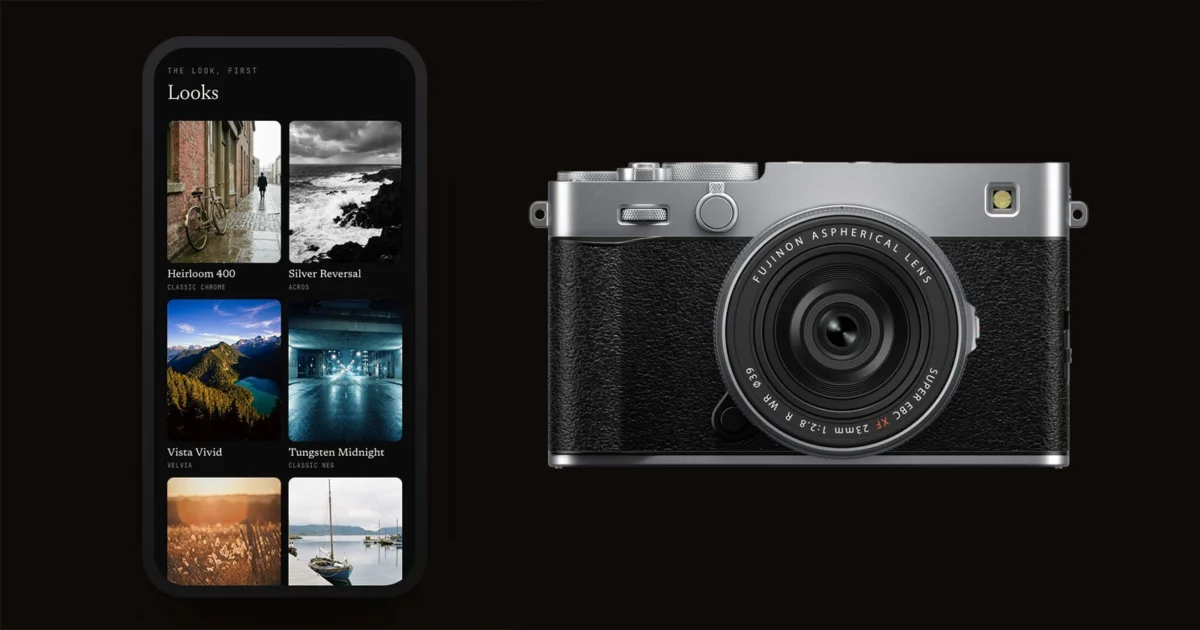
For years, the Fujifilm ecosystem has been defined by its unique approach to color science and the popularity of "film recipes"—customized in-camera JPEG settings that emulate the aesthetic of classic analog film stocks. While these recipes have gained a cult following among street and lifestyle photographers, the process of manually inputting dozens of variables into a camera menu has remained a tedious, error-prone hurdle. The launch of Huginn, a new iOS application developed by The Forge, marks a significant departure from this status quo, offering the first wireless solution for syncing custom film simulations directly to Fujifilm hardware.
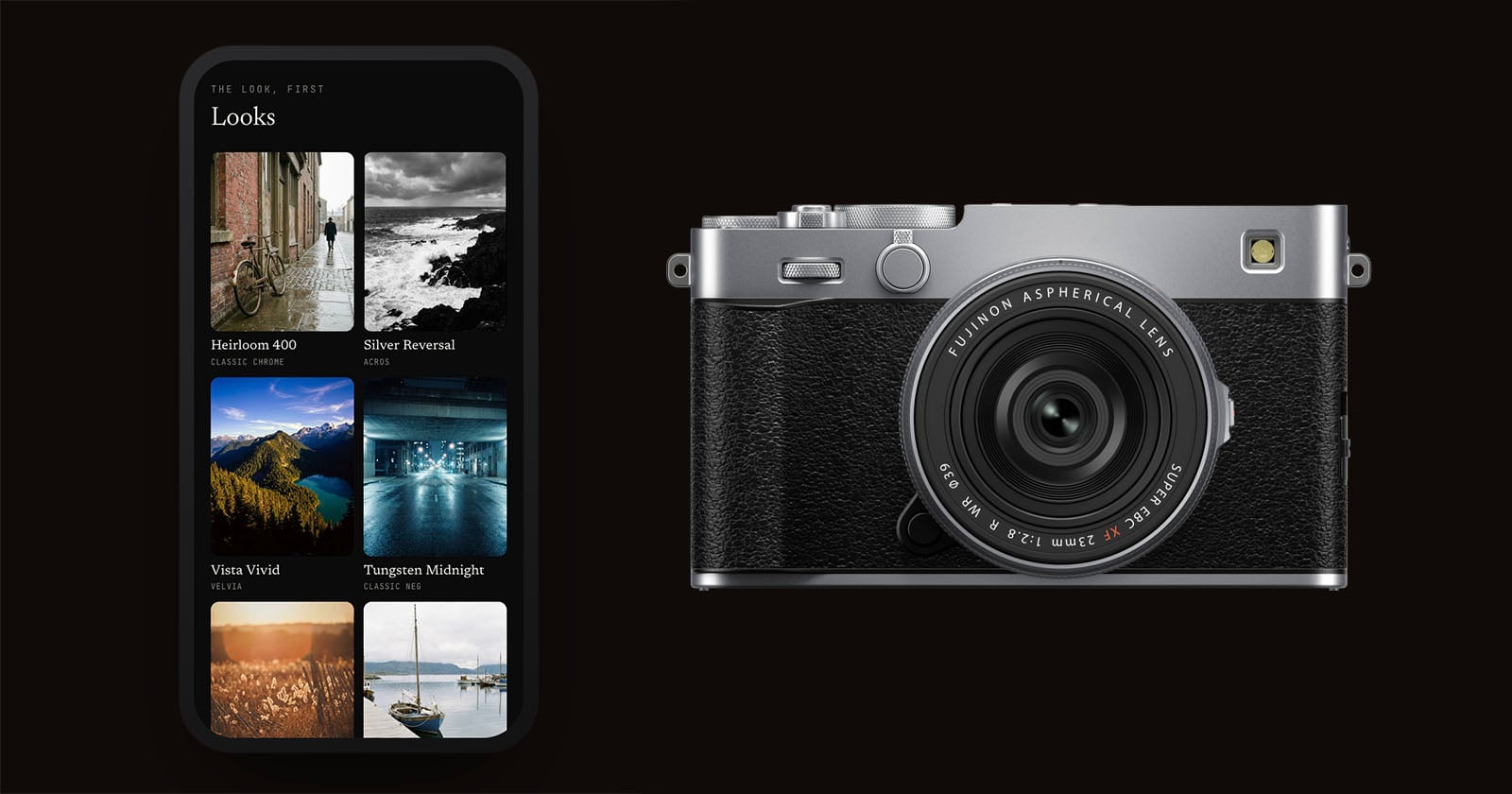
The Evolution of the Film Recipe Workflow
The concept of Fujifilm film recipes was popularized by independent photographers and platforms like Fuji X Weekly, which cataloged precise combinations of settings—such as white balance shifts, grain effects, Color Chrome settings, and highlight/shadow tones—to transform the digital output of X-series cameras. Previously, photographers were required to spend minutes manually navigating camera menus to replicate a single look.
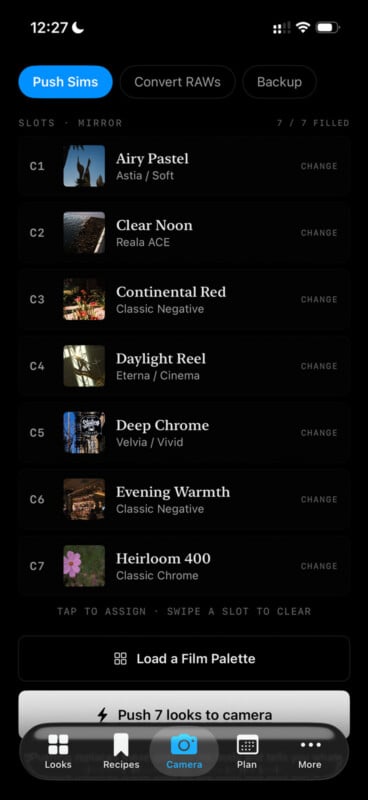
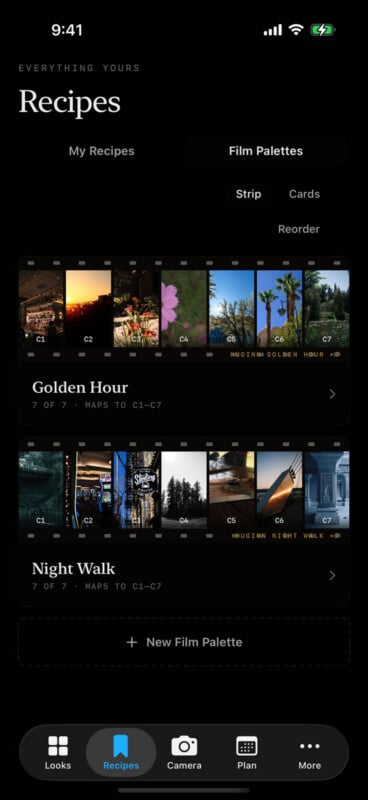
While recent software developments, such as the Fuji X Recipe Generator and various third-party utility apps, attempted to streamline this process, they were fundamentally tethered to physical limitations. These tools typically required a USB connection between the camera and a computer or mobile device to push settings to the internal custom memory banks (C1 through C7). Huginn disrupts this paradigm by leveraging Bluetooth connectivity to facilitate a seamless, cable-free transfer of profiles. According to The Forge, the application is designed to recognize a previously paired Fujifilm body, establishing a persistent connection that allows users to swap between recipes on the fly without ever breaking their shooting rhythm.
Technical Architecture and User Experience
At its core, Huginn acts as a bridge between the vast, community-driven database of aesthetic presets and the internal hardware of the camera. Upon pairing, the app provides an interface that allows users to browse an expansive library of looks created by professional photographers. Users can curate these into "palettes" and transmit up to seven specific recipes directly to the camera’s custom slots.
The application’s functionality extends beyond mere transfer; it serves as a management suite for the photographer’s creative identity. Within the app, users can define their own custom recipes by adjusting parameters including:

- Film Simulation Base: Selecting the foundational color science (e.g., Provia, Velvia, Classic Neg).
- Dynamic Range and Highlights/Shadows: Fine-tuning contrast curves for specific lighting conditions.
- Color Chrome and Color Chrome FX Blue: Adjusting saturation and depth in high-intensity color ranges.
- Grain and Clarity: Adding texture and micro-contrast to simulate film grain and modern digital sharpness.
- White Balance Shift: Utilizing specific color offsets to push the overall tint toward warmer or cooler tones.
By digitizing this workflow, Huginn eliminates the manual entry errors that often plague photographers attempting to replicate complex recipes in the field. The ability to sync these configurations via iCloud further ensures that a user’s preferred library remains consistent across multiple iPhones or iPads, a critical feature for professionals who transition between different hardware setups during a single project.
Contextualizing the Digital Photography Market
The release of Huginn arrives at a pivotal moment in the photography industry. As smartphone cameras continue to iterate with computational photography, dedicated camera manufacturers like Fujifilm have doubled down on the "analog experience." The company’s focus on tactile dials, physical aperture rings, and in-camera JPEG processing has created a distinct market segment that prioritizes the "straight-out-of-camera" (SOOC) aesthetic.
Market data indicates that the demand for these "film-look" JPEGs has contributed to a resurgence in the popularity of Fujifilm’s X-series and GFX-series cameras among younger demographics and content creators. However, the friction involved in managing these settings has acted as a barrier to entry for many. By reducing the time-to-implementation from minutes to seconds, developers like The Forge are effectively lowering the technical threshold for high-end photography, potentially broadening the user base for Fujifilm’s sophisticated imaging systems.
Beyond the Lens: Holistic Workflow Integration
The Forge has positioned Huginn not merely as a utility tool, but as a comprehensive planning assistant. Recognizing that the "look" of an image is often dictated by the light, the app includes integrated shoot-planning features. Users can track local weather conditions and access granular data regarding "golden hour" and "blue hour" at specific geographic coordinates. This integration allows photographers to plan their sessions, choose the appropriate film recipe for the expected lighting, and prepare their equipment—all within a single ecosystem.
This move toward an all-in-one suite reflects a broader trend in software development for photographers, where the focus has shifted from post-processing (editing in Lightroom or Capture One) to "pre-processing" and in-camera creative control. The Forge’s development pipeline, which includes the culling app Valkyrie and the forthcoming macOS display tool Muninn, suggests a strategic effort to build a vertical workflow that supports the photographer from the planning stage through to the final presentation of the work.
Pricing, Availability, and Market Reception
Huginn is currently available as a free download on the Apple App Store. While the core functionality is accessible to all users, the developers have implemented a tiered subscription model for advanced features and access to the full library of premium, professionally curated recipes. Currently, the company is offering a "founder rate" of $19.99 per year, which is slated to increase to $29.99 annually in the near future.

The initial reception from the photography community has been cautiously optimistic, with many praising the shift toward wireless integration. However, as with any third-party tool interfacing with proprietary camera firmware, users have raised questions regarding long-term support and the stability of the Bluetooth handshake across different Fujifilm camera generations. While the app is compatible with most modern Fujifilm bodies, the variance in internal firmware versions across the X-series lineup remains a factor that will require ongoing updates from the development team.
Strategic Implications for the Future of Camera Software
The emergence of third-party apps like Huginn highlights a growing gap between the software capabilities of legacy camera manufacturers and the expectations of modern, mobile-first users. While companies like Fujifilm provide excellent hardware and image processing engines, their companion mobile applications have historically been criticized for clunky user interfaces and inconsistent connectivity.

By providing a robust, user-friendly interface that sits on top of the camera’s existing communication protocols, The Forge is filling a functional vacuum. If successful, Huginn could serve as a case study for the value of open-platform development within the photography sector. Should Fujifilm or other manufacturers choose to embrace these third-party integrations—or perhaps adopt similar wireless recipe-syncing technologies natively—it could fundamentally alter how photographers interact with their tools.
For now, the success of Huginn will likely be measured by its adoption rate among the core Fujifilm enthusiast community and the stability of its wireless connection in real-world, high-pressure environments. As digital photography continues to prioritize the marriage of analog aesthetic with modern computational convenience, the ability to rapidly deploy and modify complex image profiles will remain a highly sought-after feature. With the release of Huginn, The Forge has set a new benchmark for what photographers can expect from their mobile-camera relationship, signaling a shift toward a more fluid, wireless future in image creation.

