


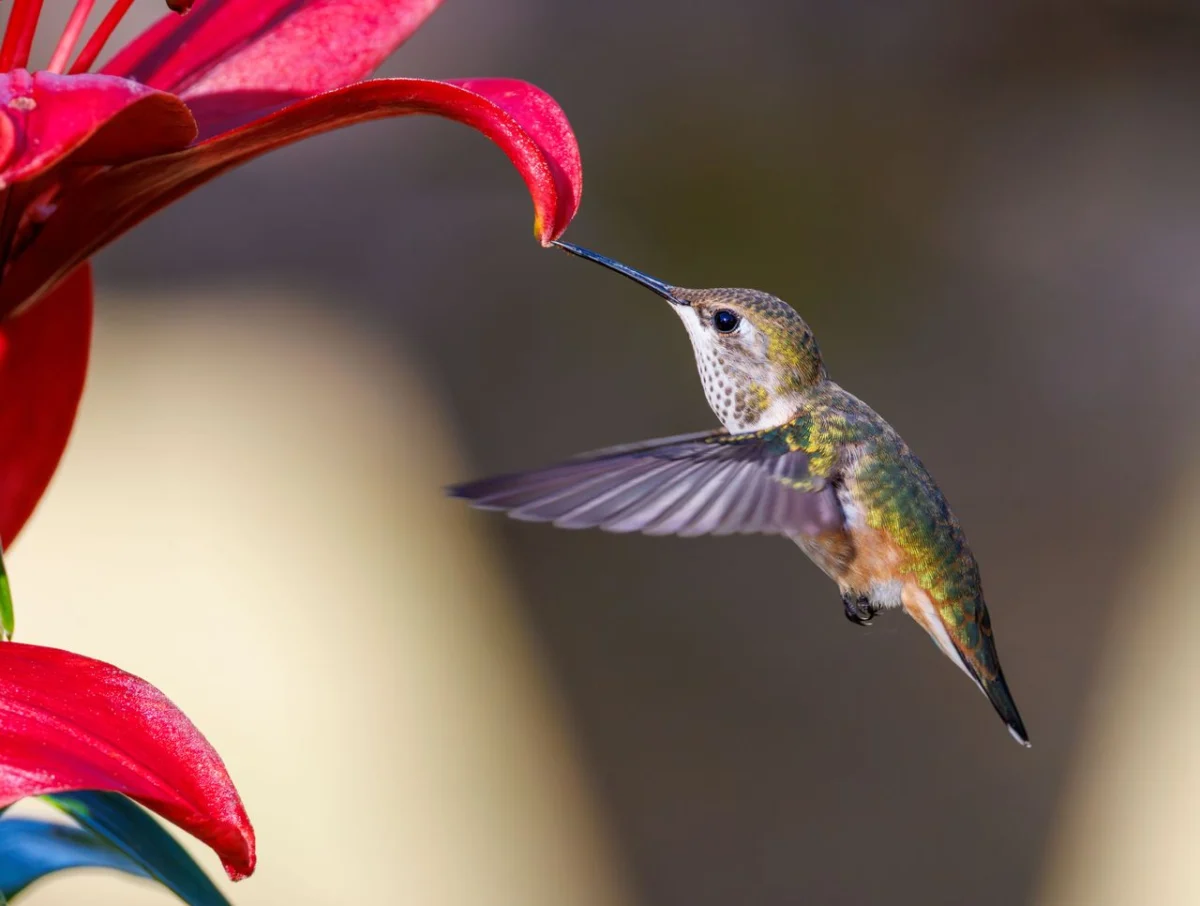
This seasonal movement is not merely a change in habitat; it is a display of extreme physiological endurance. While many migratory birds are celebrated for their long-distance travel, the Ruby-throated Hummingbird’s migration is particularly striking given the bird’s size, metabolism, and the physical barriers they must overcome. For bird enthusiasts, researchers, and casual observers alike, the months of September and October represent a critical window to witness this phenomenon as the birds converge on stopover sites along the Gulf Coast.
The Mechanics of an Epic Migration
The migration of the Ruby-throated Hummingbird is a feat of evolutionary engineering. Unlike larger migratory birds that can glide or soar to conserve energy, hummingbirds rely on rapid wing beats—often reaching 50 to 80 beats per second—to maintain flight. This high-octane lifestyle requires constant fueling, making the timing of their migration inextricably linked to the availability of nectar and small insects.
Most individuals will cover between 500 and 1,500 miles during their southern trek. However, the most daunting leg of this journey occurs when the birds reach the Gulf Coast. Here, they face a binary choice: they can follow the coastline of Texas and Mexico, a longer route that provides opportunities for frequent refueling, or they can attempt a direct, non-stop flight across the Gulf of Mexico.
Those that opt for the latter—a trans-Gulf flight—are engaged in one of the most grueling migrations in the avian world. This route requires the birds to fly over open water for upwards of 500 miles. Because they cannot land to feed or rest, they must complete the journey in a single push, a process that can take between 18 and 22 hours of continuous flight. To succeed, a hummingbird must enter this transit with significantly increased body mass, having spent the preceding weeks in a state of hyperphagia, or intense feeding, to build the necessary fat reserves that act as their primary fuel source.
Chronology and Behavioral Patterns
The migration timeline for the Ruby-throated Hummingbird is relatively consistent, governed by photoperiod—the changing length of daylight—rather than weather patterns alone. By late August, the first waves of birds begin to vacate their northernmost breeding ranges in southern Canada and the northeastern United States.
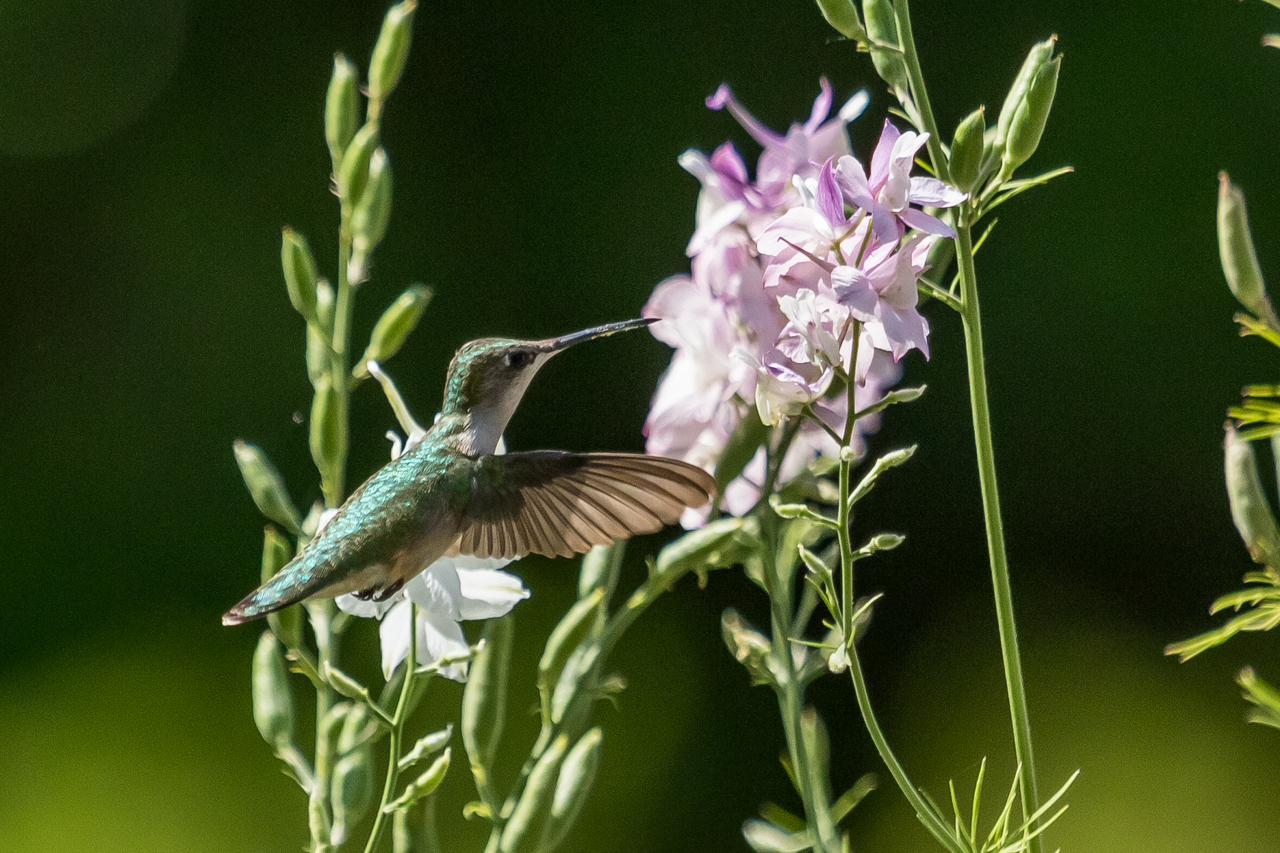
By early to mid-September, the migration peaks across the central and southern states. During this period, the concentration of birds at specific "bottleneck" locations increases significantly. Ornithologists note that this is the period of "refueling," where birds pause their southward movement to maximize their caloric intake. They are often seen frequenting flower gardens, woodland edges, and, increasingly, residential hummingbird feeders.
The movement typically concludes by late October, by which time the vast majority of the population has reached their wintering grounds. While some individuals may linger in the southern U.S. due to late-blooming nectar sources or the maintenance of human-provided feeders, the species is essentially tropical in winter, favoring the climate of the Yucatan Peninsula and other Central American regions where insects and nectar remain abundant year-round.
Insights from the Field: The Gulf Coast Perspective
The Gulf Coast serves as a vital staging area, a biological "service station" that determines the survival rate of thousands of birds. Organizations such as the Gulf Coast Bird Observatory (GCBO) in Texas play a central role in tracking these populations and providing the necessary environment for the birds to thrive during their layover.
The GCBO has long emphasized that the habitat quality along the Gulf is a decisive factor in migration success. Through their ongoing research and outreach efforts, they highlight that the birds are not just passing through; they are replenishing their depleted energy stores. The annual "Xtreme Hummingbird Xtravaganza," held in September, serves as both an educational platform and a testament to the scientific community’s commitment to monitoring these migration patterns. By documenting the weight, age, and physical condition of the birds, researchers can better understand how environmental changes and habitat loss impact survival rates.
"The concentration of these birds in September is a clear indicator of the importance of coastal habitats," notes a representative from the ornithological community. "When a bird arrives here, it is often at the end of a long, energy-taxing flight. The nectar from native plants and the protein from tiny spiders and gnats they consume here are literally the difference between life and death for the next leg of their journey."
Ecological Implications and Conservation
The migration of the Ruby-throated Hummingbird is an essential ecological service. As they travel, these birds act as pollinators for a vast array of native flowering plants. Their decline or change in migratory behavior would have ripple effects throughout the ecosystems they inhabit.

Current data suggests that while the Ruby-throated Hummingbird population is relatively stable compared to other migratory species, they face mounting threats. Habitat fragmentation in their breeding grounds and the loss of stopover sites along the Gulf Coast are primary concerns. As land development continues to replace wild, nectar-rich habitats with urban and suburban landscapes, the reliance on human-provided feeders has become an unintended but necessary variable in the migration equation.
Scientists urge that while feeders are beneficial, they are not a substitute for native biodiversity. Maintaining native gardens that provide continuous blooms throughout late summer and early autumn is considered the most effective way for homeowners to support migrating populations. Furthermore, reducing the use of pesticides is critical, as hummingbirds rely heavily on small insects and spiders for the protein necessary to sustain their high-metabolism flight.
A Citizen Science Opportunity
The public’s role in observing this migration has transitioned from a passive hobby to a vital component of citizen science. Platforms that aggregate bird sightings allow researchers to map migration paths in real-time, providing data that would be impossible to collect through traditional academic fieldwork alone.
For the average citizen, the appearance of a hummingbird in late September is a reminder of the fragility and persistence of the natural world. Experts suggest that to be a responsible observer, one should ensure feeders are cleaned regularly to prevent the spread of avian diseases and, more importantly, to ensure that the sugar-water solution is properly mixed—typically a ratio of four parts water to one part white granulated sugar, without any red dye.
As the days grow shorter and the autumn chill sets in, the spectacle of the migration serves as a poignant reminder of the interconnectedness of the Western Hemisphere. From the forests of the north to the jungles of the south, the Ruby-throated Hummingbird connects disparate ecosystems through its relentless drive to survive. For those standing in their yards or visiting coastal observatories this month, the sight of a blurred set of wings zipping toward a flower is not just a brief encounter with nature—it is a glimpse into a 1,000-mile odyssey that remains one of the natural world’s most impressive feats.
Ultimately, the successful migration of these birds depends on a chain of high-quality habitats stretching across the continent. Protecting that chain—from the nesting sites in Canada to the wintering grounds in the tropics, and every stopover in between—remains a top priority for conservationists who recognize that even the smallest travelers require the largest scale of protection. As the peak of the season passes, the data gathered by observers will help shape the strategies used to ensure that these tiny, emerald-feathered travelers continue to return year after year, completing their cycle against all odds.

