


The sudden onset of respiratory-like noises in a pet bird often triggers immediate alarm among owners, yet distinguishing between benign vocalizations and critical medical emergencies remains a significant challenge in avian husbandry. While parrots and other companion birds are biologically programmed to vocalize, the emergence of a rhythmic click, squeak, or wheeze during periods of rest often signals an underlying physiological shift. According to avian veterinary guidelines, understanding the distinction between intentional communication and involuntary respiratory distress is essential for timely medical intervention.
The Physiology of Avian Vocalizations versus Respiratory Distress
To accurately assess a bird’s health, owners must first understand the biological mechanism of sound production. Unlike mammals, which utilize a larynx, birds possess a specialized organ called the syrinx, located at the base of the trachea. This structure allows for an expansive range of vocalizations, from the mimicry of household appliances to complex song patterns.
The primary diagnostic marker for a veterinarian is the correlation between the sound and the respiratory cycle. A "normal" noise—such as beak grinding, which creates a rhythmic, low-frequency rasping—is typically associated with a state of relaxation and contentment. Conversely, a pathological sound is characterized by its consistency. If a clicking or whistling sound persists in perfect synchronization with each inhalation and exhalation, it indicates an obstruction or inflammation within the respiratory tract, such as the trachea, syrinx, or air sacs.
Chronology of Symptoms and Diagnostic Indicators
When an owner observes a new sound, the chronology of the onset provides critical data for a veterinary professional. If the noise appeared abruptly following an environmental change, such as the introduction of a new aerosol cleaner or a sudden drop in ambient temperature, the implication is often localized irritation. If the sound developed gradually over several weeks, it may point toward chronic conditions such as aspergillosis, a fungal infection that is notoriously prevalent in captive avian populations due to suboptimal humidity or ventilation.
The timeline of symptoms is equally important. A sound that occurs solely during high-exertion activities, such as flight or vigorous play, may be a simple byproduct of increased air exchange, akin to a human breathing heavily after exercise. However, if the sound continues for an extended period after the bird has returned to a resting heart rate, the situation necessitates clinical evaluation. Veterinary practitioners emphasize that the "resting sound" is the most accurate barometer of health.
Clinical Data and Respiratory Complications
Statistical evidence from avian veterinary clinics suggests that respiratory disease is one of the most common reasons for emergency consultations. The avian respiratory system is uniquely fragile; because birds rely on a highly efficient, unidirectional flow of air through lungs and air sacs, they are hypersensitive to airborne toxins, pathogens, and physical obstructions.
Common triggers for respiratory sounds include:
- Air Sac Mites: Particularly common in finches and canaries, these parasites can cause audible clicking.
- Nutritional Deficiencies: Hypovitaminosis A is a frequent cause of squamous metaplasia, which compromises the integrity of the mucous membranes in the respiratory tract.
- Foreign Body Inhalation: Small particles or food matter can become lodged in the upper airway, causing immediate, rhythmic clicking.
- Thyroid Hyperplasia: In species like the budgerigar, an enlarged thyroid gland can physically compress the trachea, leading to a persistent, high-pitched wheeze.
The Myth of the "Normal" Bird
A frequent point of friction in avian care is the owner’s reliance on the bird’s outward appearance of normalcy. Because birds are prey species, they are evolutionarily hardwired to mask symptoms of illness until the condition is advanced. A bird that continues to eat, play, and engage in social vocalization can still be suffering from a significant respiratory infection.
Clinical analysis indicates that "stamina" is the most reliable metric. Owners should monitor for subtle reductions in activity: a bird that formerly flew three laps around the room but now prefers to perch after one, or a bird that exhibits excessive tail-bobbing—an indicator that the abdominal muscles are being recruited to assist in breathing—is showing signs of respiratory compensation. These signs are often the precursor to full-blown respiratory failure.
Emergency Protocols for Owners
When a bird displays signs of acute respiratory distress, the window for effective intervention is often narrow. Emergency indicators include open-mouth breathing, which suggests the bird is struggling to maintain oxygen levels; lethargy; an inability to remain on the perch; and the presence of nasal discharge.
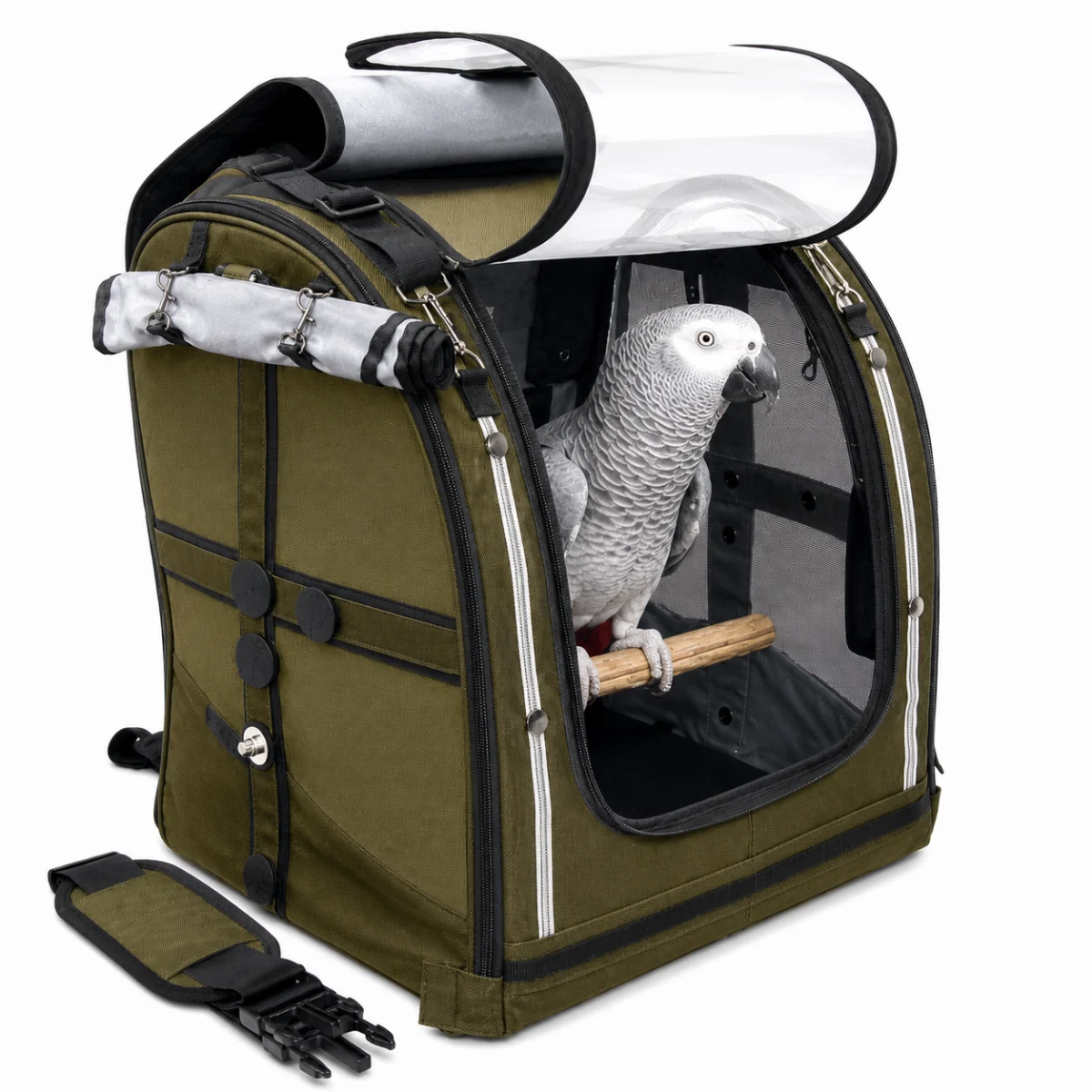
In these instances, standard protocol dictates that the owner should avoid handling the bird, as stress can cause a rapid decline in oxygen saturation. The bird should be placed in a secure, travel-safe carrier and taken to the nearest avian or exotic-specialist veterinarian. If a specialized avian vet is unavailable, owners are advised to contact an emergency animal hospital and explicitly state that the patient is an avian species experiencing "respiratory distress," a term that signals the need for immediate oxygen support.
Implications for Long-Term Avian Health
The broader impact of these symptoms underscores the importance of preventative environmental management. Maintaining optimal air quality through the use of high-efficiency particulate air (HEPA) filters, ensuring proper humidity levels (typically 40% to 60%), and avoiding volatile organic compounds (VOCs) such as non-stick cookware fumes or scented candles are primary preventative measures.
Furthermore, routine veterinary checkups are essential. A bird that is "quiet" at home may reveal subtle, early-stage respiratory abnormalities during a physical examination or via auscultation—the use of a stethoscope to listen to internal sounds—which can detect fluid or obstruction before the owner can hear it with the naked eye.
Expert Guidance and Veterinary Perspective
Veterinary experts, including those who specialize in avian pathology, stress that there is no substitute for diagnostic imaging. Radiographs (X-rays) are the gold standard for identifying the root cause of a click or wheeze. They allow the veterinarian to visualize the size of the heart, the clarity of the air sacs, and the integrity of the bony structures that support the respiratory tract. Attempting to treat these sounds with over-the-counter remedies or "respiratory support" supplements without a definitive diagnosis can be dangerous, as it often masks the progression of the disease while failing to address the primary pathogen or irritant.
In summary, the presence of a new, persistent sound in a bird’s breathing cycle should never be dismissed as a quirk of personality. While some sounds are indeed harmless vocalizations, the risk associated with undiagnosed respiratory infection is significant. Owners are encouraged to maintain a proactive stance: document the sound with a short video, monitor the bird’s activity level for any reduction in stamina, and establish a relationship with a veterinarian experienced in avian medicine. By treating every unexplained, rhythmic breathing sound as a potential indicator of health instability, owners provide their birds with the best possible chance for a rapid and successful recovery.

