


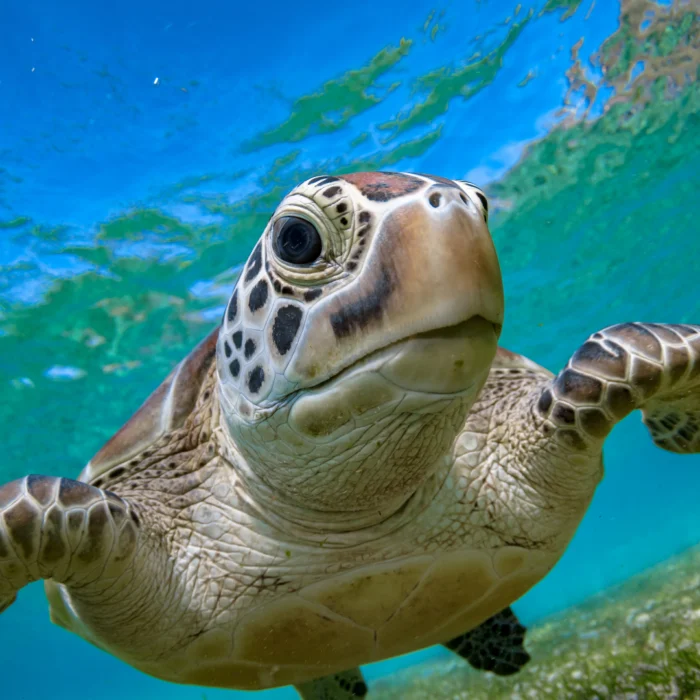
The upcoming live interactive webinar, hosted by LafeberVet in collaboration with the Wildlife Disease Association, marks a significant milestone in specialized veterinary education for marine life. Scheduled for presentation by Dr. Heather Barron, DVM, DABVP (Avian Practice), CertAqV, the session aims to address the growing complexity of treating sea turtles—a group of marine reptiles facing unprecedented physiological and environmental stressors. This RACE-approved, one-credit-hour educational initiative is designed to bridge the gap between field conservation and clinical veterinary practice, providing practitioners with a standardized framework for the rehabilitation of species within the Cheloniidae and Dermochelyidae families.
The Urgency of Specialized Sea Turtle Care
Sea turtles are global indicators of ocean health, yet they remain among the most vulnerable species in marine ecosystems. Across the globe, seven species of sea turtles face threats from plastic pollution, entanglement in fishing gear, boat strikes, and the proliferation of fibropapilloma tumors—a debilitating disease characterized by the growth of external and internal tumors.
The webinar led by Dr. Barron arrives at a critical juncture. As human activity continues to encroach upon nesting beaches and feeding grounds, the number of stranded sea turtles requiring clinical intervention has increased. Veterinary professionals are increasingly tasked with managing complex medical cases that require a deep understanding of unique reptilian physiology, which differs significantly from the mammalian and avian models typically taught in standard veterinary curricula.
Regulatory Framework and Permitting: A Necessary Prerequisite
Before any clinical intervention can take place, practitioners must navigate a rigorous legal landscape. Sea turtles are protected under the U.S. Endangered Species Act (ESA) and various international treaties, such as CITES. Dr. Barron’s presentation emphasizes the importance of state and federal permitting, which dictates who is legally authorized to handle, treat, and rehabilitate these protected animals.
In the United States, the National Marine Fisheries Service (NMFS) and the U.S. Fish and Wildlife Service (USFWS) manage these permits. For a veterinary clinic, failing to maintain current permits can result in significant legal consequences and the suspension of rehabilitation operations. The webinar serves as a guide for veterinarians to ensure that their facilities comply with the stringent requirements of the Marine Mammal Protection Act and the ESA, ensuring that every life-saving effort is conducted within the bounds of the law.
Anatomical Considerations and Clinical Diagnostics
The diagnostic phase of sea turtle rehabilitation is fraught with challenges, primarily due to the physiological adaptation of these animals to their environment. Their anatomy—including the rigid carapace and plastron—complicates standard physical examinations. Dr. Barron highlights specific techniques for imaging, such as portable radiography and ultrasonography, which are essential for identifying internal injuries or signs of systemic disease like cardiomyopathy or insulinoma.
Laboratory testing in sea turtles also requires specialized knowledge. A standard complete blood count (CBC) or biochemistry panel in a mammal cannot be interpreted using the same baseline metrics as those used for a loggerhead or green sea turtle. The webinar delves into the nuances of blood collection and the interpretation of glucose levels, which are often used to monitor stress and nutritional status in stranded individuals. The goal of these diagnostic efforts is to minimize patient stress, a factor that is often overlooked but critical for the survival of a distressed reptile.
Therapeutic Interventions and Supportive Care
Once a diagnosis is established, the therapeutic phase begins. This is where the rehabilitation process often becomes the most resource-intensive. Fluid therapy, for example, is essential for patients suffering from dehydration—a common side effect of stranding—but the delivery method must be carefully calibrated to account for the animal’s unique circulatory system.
Nutritional support is another area of focus. Many stranded turtles present with cachexia, requiring specialized diets that mimic their natural consumption of jellyfish, crustaceans, or sea grasses. Furthermore, the management of pain (analgesia) and the administration of anesthesia require a nuanced approach. Because sea turtles can hold their breath for extended periods and have complex metabolic pathways, standard anesthetic protocols can be ineffective or dangerous. Dr. Barron’s session provides evidence-based protocols for anesthesia that ensure patient safety during surgical procedures, such as the removal of fibropapillomas or the treatment of traumatic injuries.
Broader Implications for Marine Conservation
The rehabilitation of individual sea turtles serves a purpose far greater than saving a single animal. Each rehabilitated and released turtle contributes to the genetic diversity and reproductive health of the population. As geriatric sea turtles or those with chronic conditions are often the ones requiring the most complex care, their successful return to the wild is vital for the survival of the species.
The collaboration between LafeberVet and the Wildlife Disease Association highlights the importance of interdisciplinary cooperation. Veterinary medicine is no longer a siloed profession; it is an integral part of the global conservation effort. By training more veterinarians to recognize and treat the pathologies affecting sea turtles—ranging from arrhythmia to systemic infections—the scientific community creates a stronger safety net for marine biodiversity.
Data-Driven Rehabilitation Strategies
The clinical techniques discussed in the webinar are supported by years of longitudinal data gathered from rehabilitation centers globally. Analysis of patient outcomes reveals that early intervention is the strongest predictor of survival. For instance, turtles treated for buoyancy disorders or cold-stunning events show significantly higher release rates when supportive care—including temperature regulation and targeted rehydration—is initiated within the first 24 hours of stranding.
Furthermore, the study of fibropapillomatosis has evolved significantly over the last decade. Researchers are now using molecular diagnostics to better understand the viral components of the disease, and clinicians are refining surgical techniques to reduce recurrence rates. The webinar will synthesize this body of research, offering attendees the most current best practices in the field.
Expert Perspectives on Future Challenges
Veterinarians in the field often report that the most significant barrier to successful rehabilitation is not the lack of medical knowledge, but the lack of resources and public awareness. By hosting this webinar, Dr. Barron and the Wildlife Disease Association are working to democratize access to high-level clinical information. This allows practitioners in smaller, regional clinics to perform essential triage, effectively stabilizing animals before they are transferred to specialized, long-term rehabilitation facilities.
The consensus among veterinary professionals is that as ocean temperatures rise and habitat loss accelerates, the clinical needs of marine species will continue to evolve. Practitioners must be prepared to treat not only physical trauma but also the long-term effects of environmental toxins and microplastics that are increasingly appearing in the blood and tissue samples of stranded turtles.
Conclusion: A Call to Action for the Veterinary Community
The upcoming webinar is an essential opportunity for veterinary professionals to refine their skills and contribute to the global effort of marine species conservation. By mastering the diagnostic, anatomical, and therapeutic principles outlined by Dr. Barron, participants will be better equipped to serve as stewards of marine health.
As the marine environment faces mounting pressures, the role of the veterinarian becomes increasingly pivotal. Through continued education, collaborative research, and a commitment to standardized care, the veterinary profession can ensure that these ancient mariners continue to navigate the world’s oceans for generations to come. Prospective attendees are encouraged to register through the LafeberVet portal to secure their participation in this vital educational exchange, as the techniques and frameworks discussed will prove indispensable in the ongoing battle to protect and preserve sea turtle populations worldwide.

