


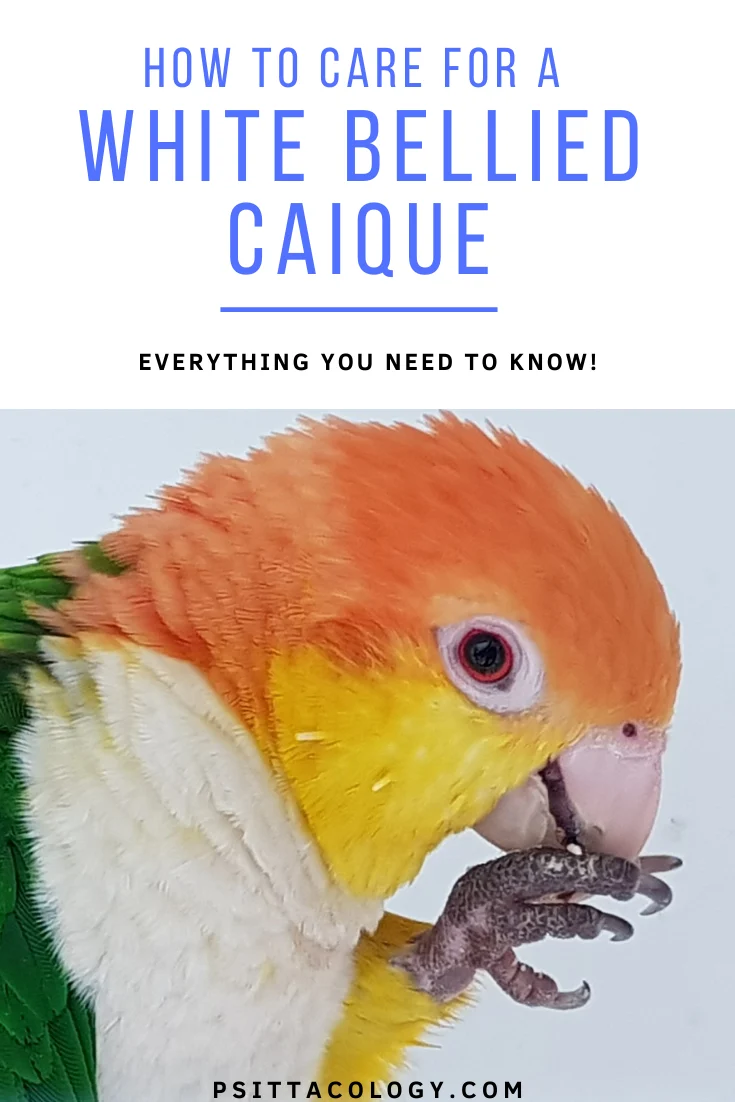
The white-bellied caique (Pionites leucogaster), celebrated widely for its vibrant plumage and exuberant personality, remains one of the most distinctive South American parrot species kept in avian aviculture. Native to the dense tropical forest canopies of the Brazilian Amazon basin and surrounding nations such as Bolivia, Peru, and Ecuador, these medium-sized psittacines present unique husbandry, dietary, and behavioral challenges that demand careful consideration from prospective owners. Weighing up to 170 grams and measuring roughly 9 inches (23 centimeters) in length, the species combines a compact, stocky build with a remarkably long lifespan that can easily exceed 40 years in captivity.
Avian specialists and conservationists emphasize that bringing a white-bellied caique into a domestic environment is a multi-decade commitment akin to caring for a human toddler. Known colloquially as the "clowns of the parrot world," these birds display an exceptionally high energy level, characterized by constant dancing, acrobatic tumbling, and object manipulation. However, behind their comedic and endearing reputation lies a complex psychological profile that requires strict adherence to specialized care guidelines. This comprehensive report outlines the taxonomic classification, wild and domestic nutritional requirements, behavioral complexities, housing demands, and conservation status associated with the white-bellied caique.
Taxonomic Classification and Physical Characteristics
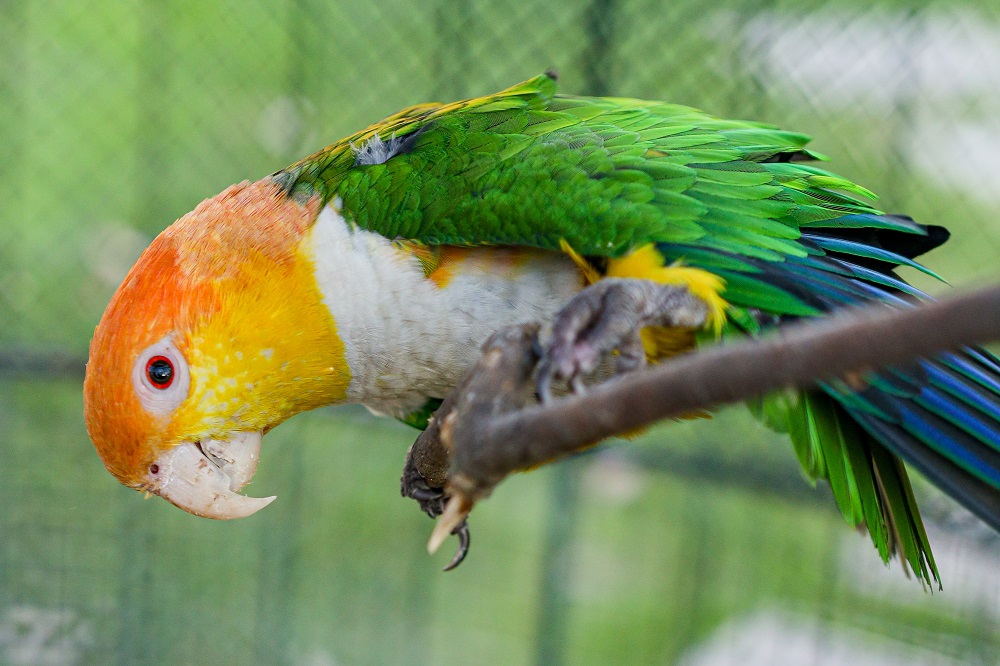
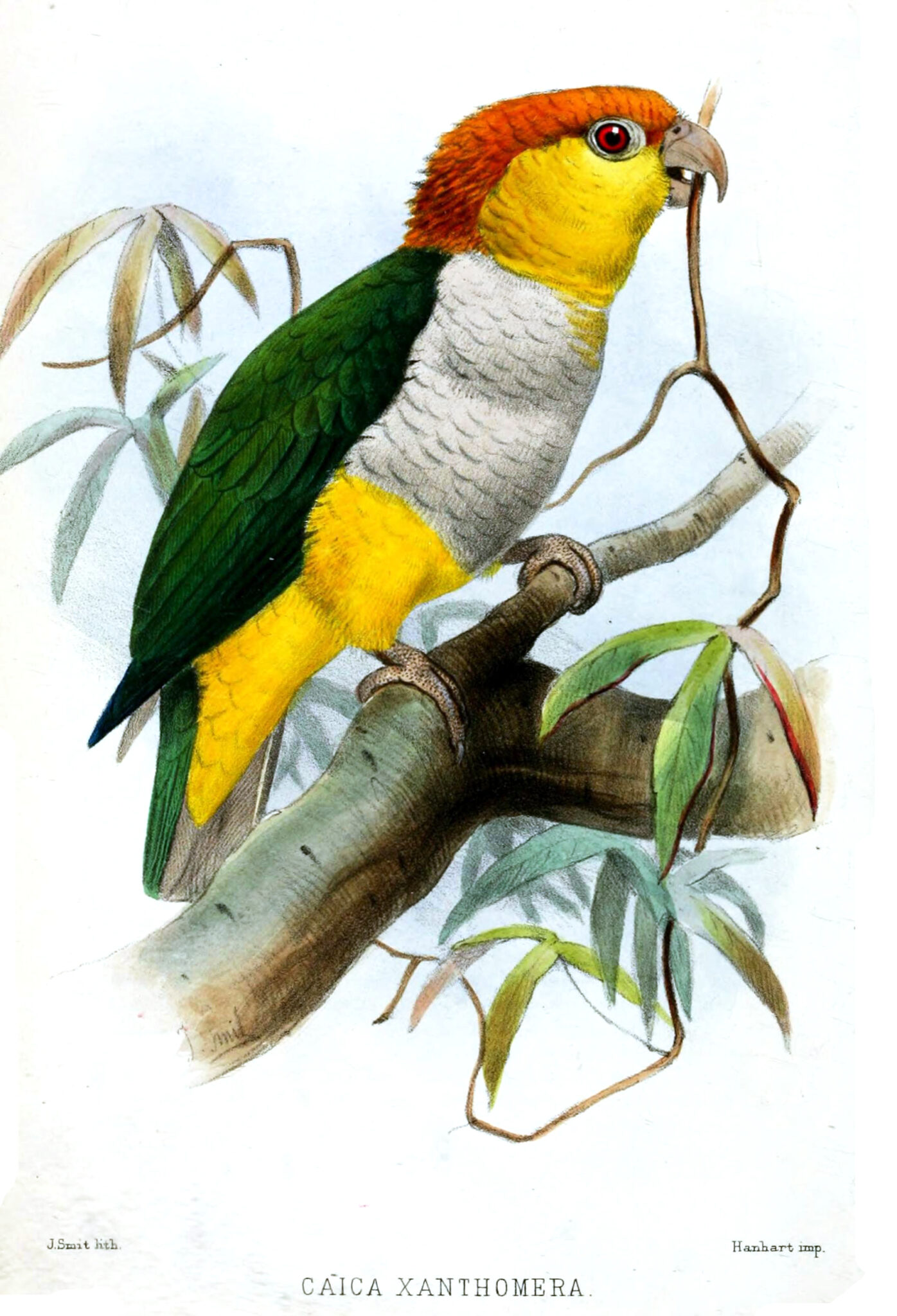
The taxonomy of the white-bellied caique has long been a subject of discussion and revision within ornithological circles. Traditionally, the genus Pionites was categorized into two primary species: white-bellied parrots (Pionites leucogaster) and black-capped parrots (Pionites melanocephalus). Within the traditional framework of the white-bellied caique, three distinct subspecies were formally recognized based on subtle variations in tail and leg coloration: the nominal white-bellied caique, the yellow-thighed parrot (Pionites xanthomerius), and the yellow-tailed parrot (Pionites xanthurus).
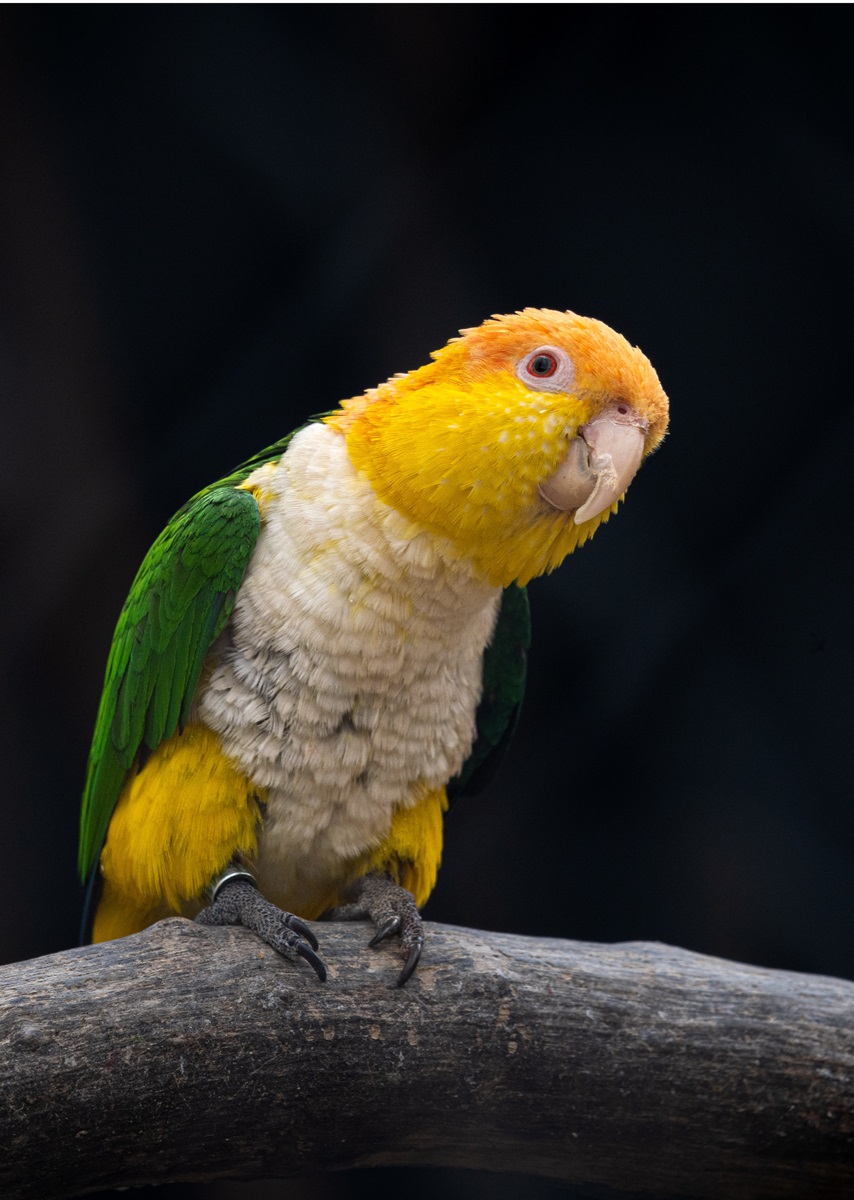
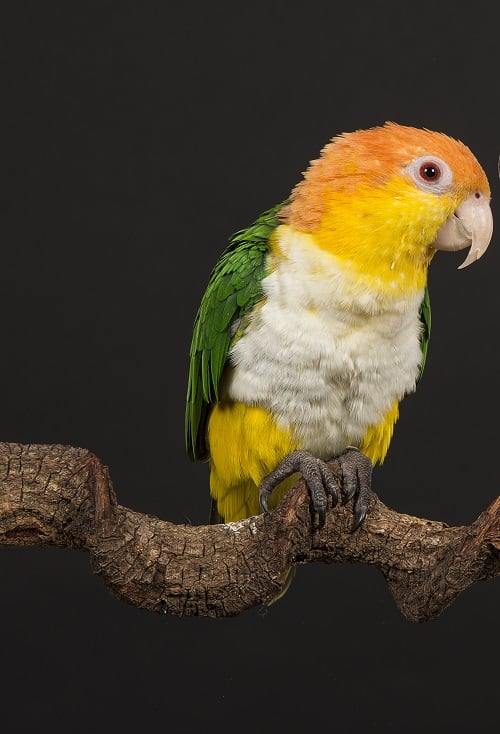
In contemporary avian taxonomy, authoritative scholarly resources such as Birds of the World elevate certain subspecies, specifically P. l. xanthurus and P. l. xanthomeria, to full species status. This reclassification is driven primarily by distinct morphological differences in plumage coloration across isolated regional populations. Despite these taxonomic shifts, all variants share a striking physical profile: an entirely white to cream-colored chest and abdomen, brilliant orange crowns, bright yellow cheeks, and lush green wings and backs. Their beaks feature a neutral beige tone, and their expressive reddish eyes are framed by a distinctive bare eye-ring.
Visually determining the sex of a white-bellied caique is impossible through external observation alone, as the species exhibits sexual monomorphism. Consequently, avian veterinarians and breeders rely on DNA sexing via feather or blood samples to accurately identify the gender of individual birds.
Natural Habitat and Conservation Status

In the wild, white-bellied caiques are obligate forest-dwellers native to the Amazon basin. Observational studies published in ornithological literature indicate that these social birds typically congregate in small, tight-knit flocks of up to ten individuals, navigating the upper strata of tropical canopies and utilizing natural tree hollows for nesting and roosting. Their geographic distribution spans northern Brazil, extending into adjacent territories in Bolivia, Peru, and Ecuador.
The conservation status of the white-bellied caique is a matter of growing concern for international wildlife authorities. The International Union for Conservation of Nature (IUCN) lists the species under categories reflecting localized vulnerability, driven primarily by extensive deforestation and habitat fragmentation across the Amazon rainforest. Agricultural expansion, logging, and infrastructure development continue to diminish the primary forest canopy required for foraging and breeding, posing a severe threat to wild populations.
Wild Versus Domestic Nutritional Requirements
Understanding the nutritional needs of the white-bellied caique requires examining dietary studies conducted in their natural habitat. A landmark 2014 field study led by Lee et al. examined the stomach contents and foraging behaviors of 190 wild white-bellied caiques, documenting consumption across no less than 44 distinct plant species. The research revealed that wild caiques subsist primarily on a seasonal diet of seeds—including those harvested from immature fruits—alongside substantial quantities of pulp from fresh fruits, flowers, and flower buds.

Furthermore, field observations confirm that caiques actively consume pollen and nectar, functioning as vital pollinators for specific Amazonian tree species. To a lesser extent, wild caiques ingest bark, leaves, and animal matter such as ants. A notable behavioral adaptation involves visiting mineral-rich clay licks to ingest soil, a practice ornithologists attribute to the necessity of acquiring essential micronutrients and neutralizing plant toxins.
Translating these natural dietary habits into a domestic setting presents a significant challenge for parrot owners. Avian nutritionists strongly advise against relying on traditional seed-heavy diets, which are excessively fatty and deficient in critical micronutrients, often leading to chronic health issues such as hepatic lipidosis (fatty liver disease). Conversely, feeding a diet overly saturated in domesticated fruits can be equally detrimental; commercial fruits cultivated for human consumption contain significantly higher sugar concentrations than the wild, frequently unripe fruits consumed by Amazonian parrots.
A balanced domestic diet for a white-bellied caique should therefore incorporate:
- High-quality formulated pellets designed specifically for medium-sized parrots
- A diverse array of fresh, low-sugar vegetables and leafy greens
- Controlled portions of fresh fruits, prioritized as occasional items rather than staple meals
- Sprouted seeds and grains to mimic the nutritional profile of natural seed pods
- High-value nuts and dried fruits restricted strictly to training rewards
Additionally, continuous access to fresh drinking water from multiple sources and a readily available calcium block are fundamental components of preventative healthcare in captivity.
Behavioral Profile and Temperament
The temperament of the white-bellied caique is arguably its defining characteristic, setting it apart from other companion parrot genera. Highly intelligent, fiercely independent, and perpetually active, caiques possess a playful disposition that has earned them widespread adoration among experienced bird keepers. However, this high-energy personality requires an equally high level of mental and physical engagement.
White-bellied caiques form exceptionally strong bonds with their human caregivers, frequently developing a preference for a single primary person. This intense attachment can manifest as territorial aggression or sudden nipping, particularly as the birds reach sexual maturity during adolescence. Hormonal shifts can dramatically alter a caique’s demeanor, leading some keepers to observe erratic, highly defensive behaviors during breeding seasons. Consequently, consistent socialization and positive reinforcement training are vital from a young age to mitigate aggressive tendencies.
Due to their territorial nature, white-bellied caiques are generally unsuited for multi-species aviaries or direct communal housing with other bird species. Disputes over cage space or food resources frequently result in violent confrontations, as caiques display little hesitation in defending their perceived territory against birds twice their size.

Housing, Environment, and Enrichment Protocols
Despite their relatively small physical stature, white-bellied caiques require robust, generously proportioned enclosures. Because they are exceptionally agile and possess high intelligence, cages must feature secure, complex locking mechanisms to prevent accidental escapes. Furthermore, their powerful beaks require durable, non-toxic cage construction capable of withstanding constant chewing.
An ideal indoor habitat for a white-bellied caique must include:
- Multiple natural-wood perches of varying diameters to promote foot health and prevent arthritis
- Stainless steel or securely anchored food and water bowls
- Dedicated bird baths or misting opportunities, as caiques frequently enjoy bathing
- A rotating selection of interactive foraging toys, shreddable wood blocks, and puzzle feeders
Beyond the primary enclosure, these birds require several hours of supervised out-of-cage time daily. Establishing a dedicated play gym outside the cage—equipped with ladders, swings, and foraging stations—helps burn off excess energy and prevents sedentary habits. Environmental safety is paramount; rooms accessible to a caique must be thoroughly parrot-proofed to eliminate chewable electrical cords, toxic houseplants, and airborne hazards such as aerosol sprays, scented candles, and polytetrafluoroethylene (PTFE) fumes emitted by non-stick cookware.
Vocalization, Mimicry, and Noise Levels
While no parrot species can be accurately described as quiet, white-bellied caiques occupy a moderate position on the avian decibel spectrum. Throughout the day, they typically communicate via an assortment of high-pitched whistles, mechanical beeps, and soft squawks. However, when alarmed, excited, or seeking the attention of flock members, they are fully capable of emitting piercing, high-amplitude screams reminiscent of their rainforest origins.
In terms of human speech acquisition, white-bellied caiques are generally poor talkers compared to recognized mimicry champions like African greys or yellow-naped Amazons. While individual birds may master a few words or phrases, the species excels primarily in learning musical tunes, household sounds, and rhythmic whistles. Owners often engage their pets in vocalization training by repeatedly modeling short, simple melodies and rewarding successful attempts with high-value treats.
Medical Considerations and Preventative Healthcare
Maintaining the health of a captive white-bellied caique necessitates proactive veterinary oversight. Prospective owners must establish a relationship with a certified avian veterinarian prior to acquiring the bird, ensuring emergency care protocols are in place. Because caiques are intensely curious explorers, they are inherently prone to household accidents, toxin ingestion, and traumatic injuries.
From a pathological standpoint, juvenile caiques under four weeks of age exhibit a notable susceptibility to avian polyomavirus, a highly contagious and frequently fatal condition that targets vital organs. Vaccination protocols administered by an avian specialist are strongly recommended to protect young birds from infection. Routine wellness exams, diagnostic blood panels, and behavioral assessments are critical components of ensuring a lifespan that reaches the upper limits of the species’ 40-year potential.
Conclusion and Suitability for Prospective Owners
The white-bellied caique is a magnificent, highly charismatic avian companion that rewards dedicated keepers with decades of affectionate interaction and endless amusement. However, their demanding behavioral quirks, high activity levels, complex nutritional needs, and potential for hormonal aggression render them entirely unsuitable for novice bird owners. Those possessing the time, patience, and spatial resources to accommodate their unique requirements will find in the white-bellied caique a truly unforgettable addition to the household.

