


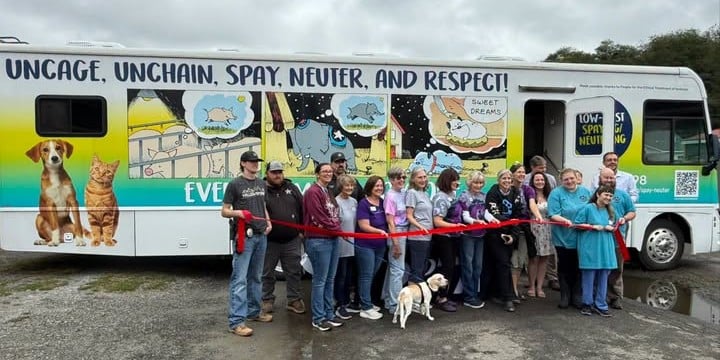
Rural communities across Southwest Virginia have long faced acute challenges regarding animal welfare, driven largely by geographic isolation, economic constraints, and a critical scarcity of accessible veterinary infrastructure. On October 1, 2026, a transformative step forward was taken to address these systemic hurdles when People for the Ethical Treatment of Animals (PETA) officially transferred ownership of a fully equipped mobile spay-and-neuter clinic to the Twin County Humane Society. This milestone event establishes the region’s very first permanent mobile sterilization unit, providing a permanent and reliable resource designed to tackle the root causes of companion animal homelessness directly within underserved localities.
The handover ceremony, marked by both civic celebration and immediate operational action, took place in Galax, Virginia. Rather than merely symbolizing a transition of assets, the ribbon-cutting event doubled as a high-volume wellness and surgical clinic. Over the course of two intensive days, veterinary professionals and field staff successfully sterilized, vaccinated, and microchipped 253 cats and dogs. This latest deployment builds upon an ongoing collaborative relationship established between PETA and the Twin County Humane Society in 2023. Through this ongoing partnership, the two organizations have collectively provided free sterilization surgeries to nearly 1,000 animals in the region, signaling a measurable shift in the availability of vital veterinary services.
The Chronic Crisis of Rural Animal Overpopulation
To understand the significance of this permanent mobile clinic, observers must examine the broader socioeconomic and logistical landscape of rural Southwest Virginia. Animal shelters and humane societies in remote and economically disadvantaged counties routinely operate at or above maximum capacity. These facilities are tasked with managing an influx of unwanted pets that far outpaces local adoption rates. Without consistent access to affordable veterinary care, pet owners—many of whom live miles from the nearest traditional clinic or face financial barriers—struggle to prevent unplanned litters.
Animal welfare experts emphasize that pet overpopulation is not merely a logistical inconvenience for shelters, but a profound welfare crisis for the animals themselves. Unsterilized dogs and cats that roam or are abandoned face a multitude of perils, including starvation, communicable diseases, extreme weather conditions, vehicular accidents, and intentional cruelty. Furthermore, overburdened municipal and private shelters frequently lack the physical space and financial resources to care for the sheer volume of animals surrendered or recovered from the field.
By bringing affordable or free sterilization surgeries directly into these vulnerable pockets of the state, mobile clinics effectively intercept the cycle of overpopulation. Industry data consistently demonstrates that community-wide spay-and-neuter initiatives are the single most effective deterrent against shelter overcrowding and the subsequent euthanasia of healthy, adoptable animals.
A Quarter Century of Mobile Veterinary Outreach
The launch of the Southwest Virginia clinic represents the latest chapter in a long-standing operational model developed by PETA. Since launching its mobile clinic program in 2001, the organization has deployed specialized surgical units to regions where veterinary deserts leave companion animals vulnerable. Over the past twenty-five years, PETA’s mobile operations have successfully sterilized more than 262,000 animals, directly preventing the births of millions of potentially unwanted puppies and kittens.
The strategy relies on mobility, allowing units to bypass the brick-and-mortar limitations that restrict traditional veterinary clinics. By traveling directly to neighborhoods where transportation or financial cost prevents residents from seeking veterinary care, these units bridge the gap between animal owners and essential medical services. The partnership with the Twin County Humane Society adapts this national model into a permanent, locally anchored asset, ensuring that rural Virginians will have uninterrupted access to these services for years to come.
Beyond the Operating Table: Fieldwork and Direct Intervention
While surgical sterilization remains the primary mechanism for curbing long-term overpopulation, the initiative in Southwest Virginia also underscored the immediate need for boots-on-the-ground animal husbandry and intervention. Alongside the surgical operations, PETA fieldworkers canvassed local neighborhoods, responding to requests and tips submitted by the Twin County Humane Society and regional animal control officers.
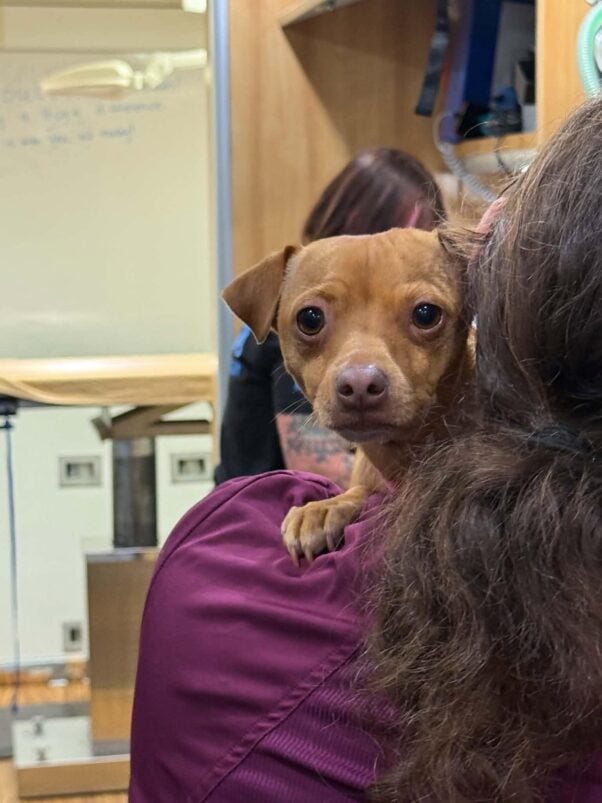
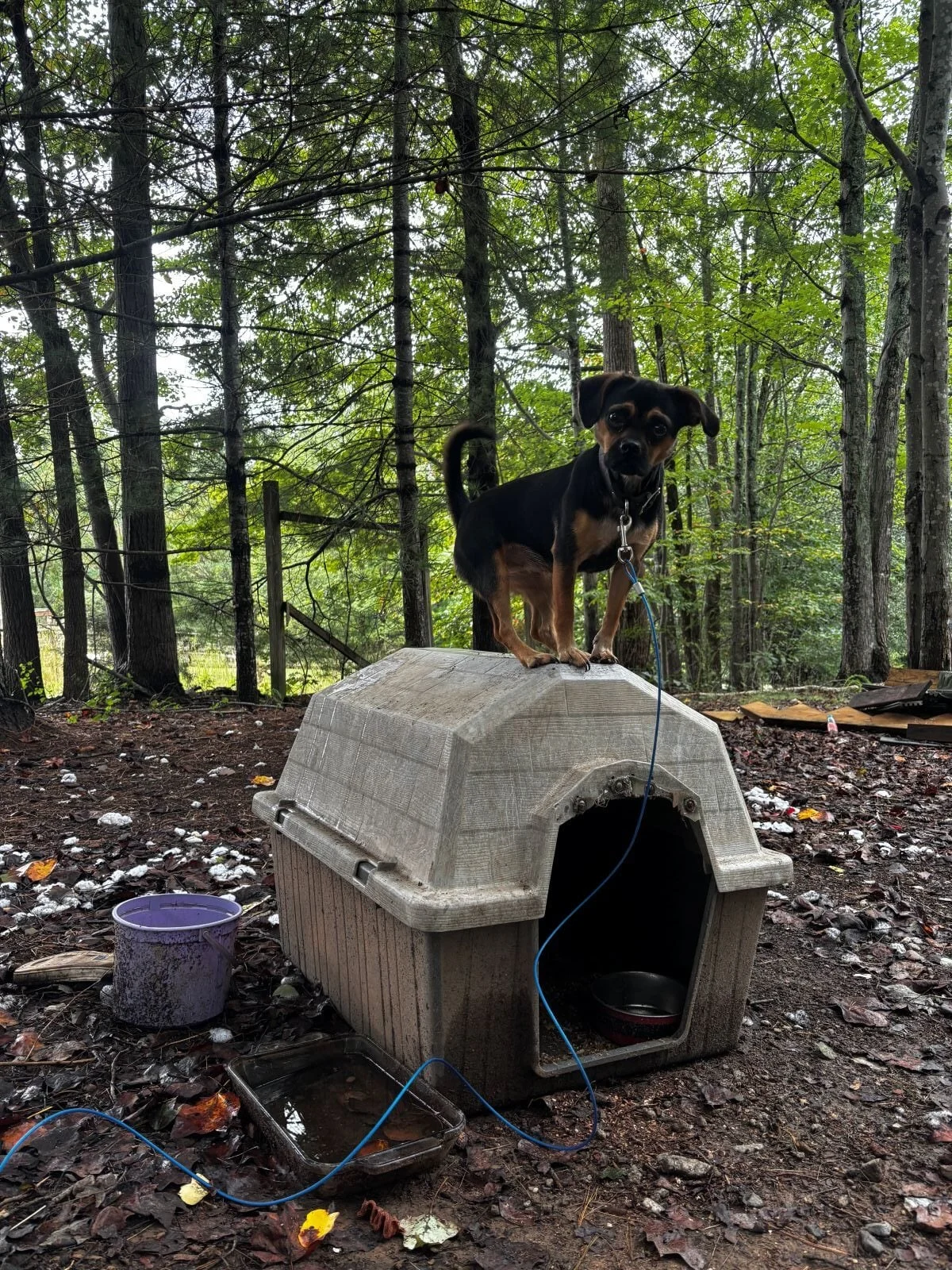
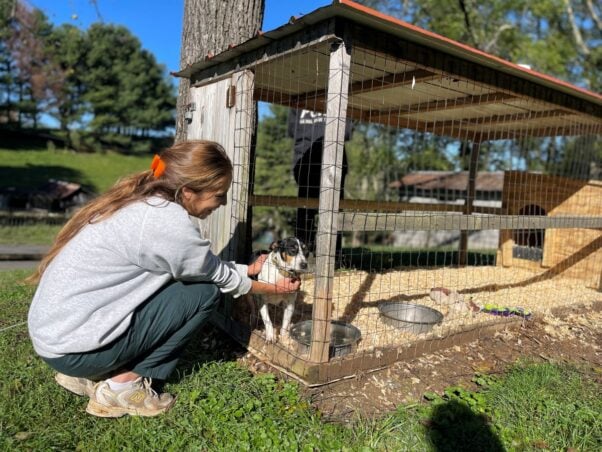
In many rural areas, the practice of tethering dogs outside for extended periods remains prevalent. Fieldworkers addressed the immediate welfare needs of these tethered animals by replacing heavy, restrictive chains with lightweight, safe tie-outs. Furthermore, teams provided upgraded insulated doghouses, administered flea and tick preventatives, fitted animals with new collars, distributed enrichment toys, and performed essential grooming, such as nail trims and matted fur removal.
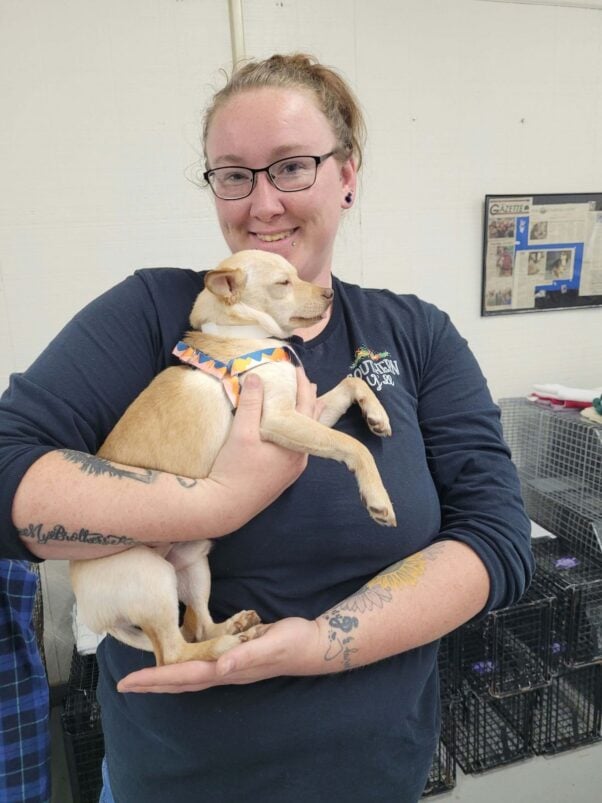
These direct interventions often serve as an educational bridge, fostering trust between animal advocates and local pet owners. In several instances, this outreach yielded life-changing results for neglected animals. During the recent deployment, ten dogs were voluntarily surrendered by their guardians to PETA fieldworkers to escape life at the end of a tether. These animals were transported to PETA’s headquarters in Norfolk, Virginia, where they entered foster care systems and experienced indoor living conditions—often for the very first time—while awaiting permanent adoption into loving homes.
Among the success stories highlighted during the initiative was a small dog named Boopsie. Discovered tethered outdoors next to a rudimentary plastic doghouse, Boopsie received immediate medical evaluation and grooming before being transitioned to a foster home in coastal Virginia, symbolizing the profound transformation made possible through coordinated field intervention.
Health Benefits of Spaying and Neutering for Companion Animals
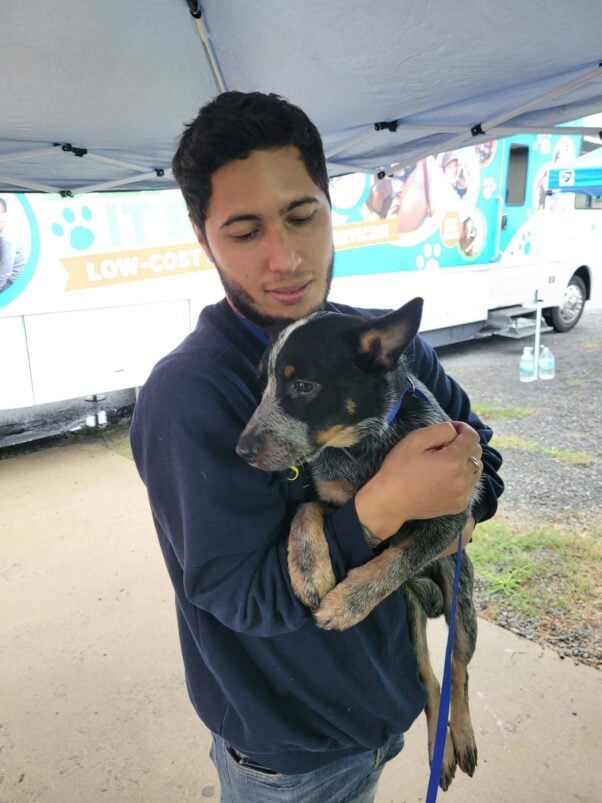
Beyond controlling population metrics, veterinary science confirms that spaying and neutering confer significant, lifelong health and behavioral benefits to individual pets. According to veterinary literature, sterilization significantly reduces or entirely eliminates the risk of several reproductive cancers. For female cats and dogs, spaying entirely eliminates the risk of uterine and ovarian infections and drastically reduces the incidence of mammary gland tumors, particularly when performed before the first heat cycle. For males, neutering eliminates the risk of testicular cancer and substantially lowers the incidence of prostate-related diseases.
Behaviorally, sterilized animals frequently exhibit reduced tendencies toward territorial aggression, roaming, and marking behaviors. These health and behavioral improvements contribute to longer, healthier lives, reducing the likelihood that owners will surrender pets due to preventable medical or behavioral complications.
Logistical Timeline and Future Operations
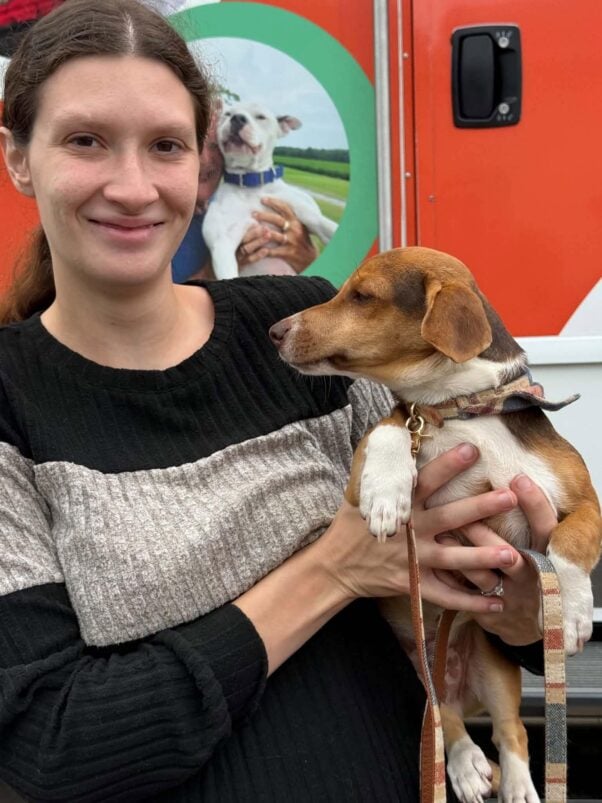
Following the high-profile launch and the initial two-day surgical blitz that serviced 253 animals, the Twin County Humane Society is currently completing logistical preparations to integrate the mobile unit into regular service. Leadership at the organization anticipates opening the appointment schedule for the public by mid-November 2026.
The integration of the clinic requires coordinated efforts between administrative staff, licensed veterinarians, veterinary technicians, and local volunteers to establish routine routes, scheduling protocols, and intake procedures. Because the operational costs of maintaining mobile veterinary units—including medical supplies, fuel, maintenance, and staffing—are substantial, the program relies heavily on public contributions, philanthropic support, and community partnerships to sustain its ongoing mission.
Broader Implications for Regional Animal Welfare
The establishment of Southwest Virginia’s first permanent mobile spay-and-neuter clinic serves as a potential blueprint for other rural regions grappling with similar geographic and economic obstacles. By decentralizing veterinary care and placing the tools of population control directly into the hands of local organizations equipped with mobile assets, rural communities gain autonomy over their animal welfare outcomes.
As the Twin County Humane Society prepares to officially open the appointment book for the mobile unit in the coming weeks, animal advocates remain optimistic. The combination of sustained surgical access, community education, direct fieldwork intervention, and collaborative partnerships creates a robust framework capable of alleviating the suffering of countless animals. Through these concerted efforts, the initiative moves beyond temporary relief, establishing a sustainable foundation for humane animal care throughout Southwest Virginia.

