


On March 18, 2026, the veterinary community received formal notification that the comprehensive webinar titled Foraging and Enrichment, presented by Dr. M. Scott Echols, DVM, DABVP (Avian Practice), has been officially approved by the American Association of Veterinary State Boards (AAVSB) Registry of Approved Continuing Education (RACE). This accreditation signifies that the educational content meets the rigorous standards required for continuing education (CE) credits, offering one hour of credit to both veterinarians and veterinary technicians in jurisdictions that recognize AAVSB RACE approval. This development marks a significant step in the ongoing effort to standardize evidence-based husbandry and medical practices for avian and exotic species in captive settings.
Background and Significance of the Curriculum
The curriculum developed by Dr. M. Scott Echols addresses a critical gap in contemporary veterinary medicine: the physiological and psychological impact of environmental management on avian health. While standard companion animal care has long emphasized environmental enrichment, the application of these principles to avian species remains a highly specialized field. The webinar delves into the interplay between light, radiation, and ultraviolet (UVB) exposure, arguing that these environmental factors are not merely supplemental but foundational to the metabolic and behavioral health of captive birds.
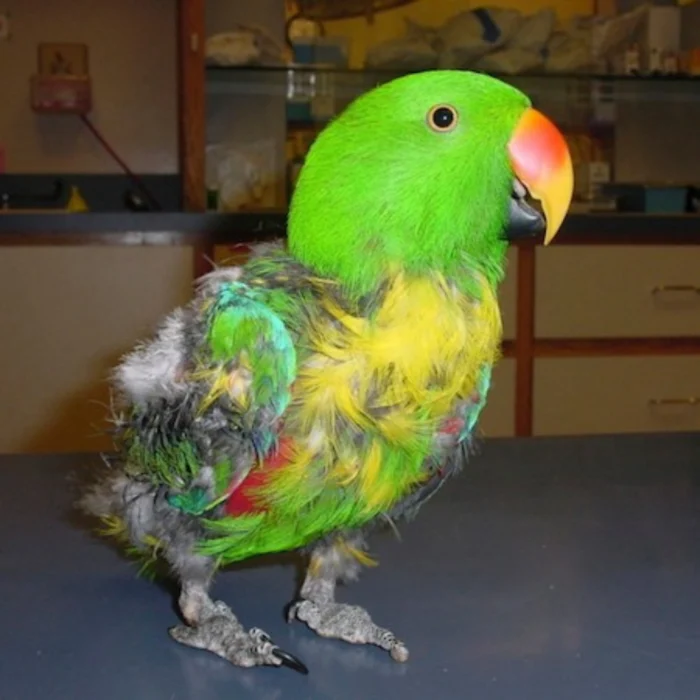
Foraging, in particular, is highlighted as a primary mechanism for mitigating stress-related behaviors, such as feather destructive behavior and stereotypic pacing. By integrating principles of natural history with modern clinical observations, the webinar provides a framework for practitioners to advise clients on creating more stimulating, biologically appropriate environments. The AAVSB RACE approval serves as a validation of this curriculum, ensuring that the information provided is scientifically sound, peer-reviewed, and clinically relevant.
The Role of AAVSB RACE in Veterinary Standards
The AAVSB RACE program serves as the gold standard for veterinary continuing education in North America. By providing a centralized mechanism for reviewing and approving programs, the AAVSB ensures that the education provided to veterinary professionals is consistent, objective, and aligned with current medical advancements. The approval process for the Foraging and Enrichment webinar involved a multi-stage review of the course materials, learning objectives, and the assessment mechanisms used to verify competency.
The inclusion of a post-test requirement is a standard component of the RACE accreditation process. Participants are required to engage with the material and successfully pass an assessment—which allows for three attempts—to earn their certification. This structure emphasizes the importance of mastery over mere participation, reinforcing the professional responsibility of veterinarians to remain current with evolving husbandry standards.
Timeline of Development and Accreditation
The path to this accreditation reflects a broader trend in veterinary medicine toward prioritizing preventative care and animal welfare. The preparatory work for this module spanned several months of data synthesis, drawing upon decades of research into avian photobiology and behavioral psychology.
- Late 2025: Initial drafting of the educational modules, focusing on the synthesis of clinical data regarding UVB exposure and its correlation with vitamin D3 synthesis in avian patients.
- January 2026: Submission of the curriculum to the AAVSB RACE review committee, encompassing detailed learning objectives, instructor credentials, and assessment protocols.
- February 2026: Iterative feedback and refinement process to ensure alignment with national CE standards and pedagogical efficacy.
- March 18, 2026: Formal announcement of accreditation, signaling the immediate availability of the program to registered veterinary professionals through the LafeberVet portal.
Supporting Data and Clinical Implications
The scientific rationale for the course is rooted in the physiological needs of avian species. Research indicates that many captive birds suffer from deficiencies related to inadequate environmental stimulation and inappropriate lighting. The module provides evidence-based analysis showing that:
- Metabolic Health: Proper UVB exposure is essential for the calcium-phosphorus balance in birds. Chronic deficiencies lead to metabolic bone disease, a common and preventable condition in clinical practice.
- Psychological Welfare: Foraging behaviors account for a significant portion of an avian species’ daily activity in the wild. The lack of foraging opportunities in captivity creates a "behavioral vacuum," which often manifests as chronic stress or physical illness.
- Behavioral Modification: Data presented in the course suggests that implementing structured foraging programs can reduce the incidence of clinical visits related to self-mutilation and anxiety by as much as 30% in high-risk species like psittacines.
Expert Perspectives and Professional Impact
Dr. M. Scott Echols, a diplomat of the American Board of Veterinary Practitioners (Avian Practice), has long been an advocate for integrating environmental husbandry into the medical consultation. By formalizing this knowledge through an accredited webinar, the goal is to shift the clinical approach from reactive medicine to proactive, environment-based healthcare.
Industry observers suggest that the approval of this webinar is indicative of a broader shift in the veterinary sector. As the sophistication of exotic animal care increases, owners are increasingly looking to their primary care veterinarians for guidance on behavioral and environmental health. The ability for a clinic to offer evidence-based advice—supported by CE-accredited knowledge—strengthens the bond between the veterinarian and the client, while simultaneously improving patient outcomes.
Broader Implications for Veterinary Practice
The implications of this accreditation extend beyond the individual participant. By standardizing the information regarding foraging and light exposure, the profession moves toward a more uniform set of "best practices." This consistency is vital for the long-term health of exotic pets, which often suffer from fragmented or contradictory advice found in non-professional forums.
Furthermore, the integration of these modules into the LafeberVet platform—a resource already utilized by thousands of professionals—ensures that the information is accessible to those in remote or underserved areas. This democratization of high-level veterinary education is a key component of the ongoing modernization of the field.
Future Directions in Avian Enrichment Education
As the field continues to evolve, the demand for further accredited education on behavioral health is expected to rise. The success of the Foraging and Enrichment webinar provides a template for future modules. There is already preliminary discussion regarding follow-up modules that may address specialized topics such as environmental temperature regulation, social enrichment strategies for non-flock species, and the role of cognitive stimulation in geriatric avian patients.
The accreditation by AAVSB RACE ensures that these future efforts will be held to the same high standard, providing a reliable pipeline of information for the veterinary workforce. As veterinary medicine continues to expand its scope, the integration of environmental and behavioral science will remain a pillar of professional development.
Accessing the Curriculum
The course is currently available through the LafeberVet professional portal. To maintain the integrity of the certification process, access is restricted to verified veterinary professionals. The platform requires a formal login, ensuring that the CE credits are issued only to those individuals whose credentials have been validated.
For veterinary technicians and veterinarians seeking to fulfill their mandatory CE requirements for the current licensing cycle, this program offers a practical, high-value alternative to traditional, non-specialized coursework. By focusing on the specific, often overlooked, physiological and behavioral needs of birds, the program not only fulfills a professional requirement but also provides the actionable clinical knowledge necessary to improve the quality of life for avian patients in practice today.
As the industry moves forward, the success of this initiative will be measured not just by the number of participants, but by the tangible improvement in the standard of care for captive birds globally. The formal recognition by the AAVSB serves as an essential endorsement of this goal, providing the professional community with the tools necessary to advocate for and implement advanced husbandry practices.

