


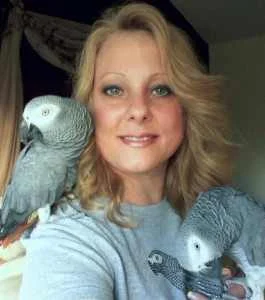
The avian community is preparing for a comprehensive retrospective of the 52nd Annual Educational Conference hosted by the American Federation of Aviculture (AFA), as Certified Professional Bird Consultant (CPBC) Lisa Bono prepares to lead a virtual debriefing. Scheduled for Friday, September 4, 2026, at 12:00 p.m. PDT, the webinar, titled "The Grey Way: AFA Recap," aims to distill the complex proceedings of the St. Louis gathering into an accessible narrative for enthusiasts, breeders, and conservationists alike. As the industry faces evolving challenges regarding avian welfare, sustainability, and legislative oversight, this recap serves as a vital touchpoint for those who were unable to attend the conference in person.
Contextualizing the American Federation of Aviculture
The American Federation of Aviculture has long functioned as the primary umbrella organization for bird enthusiasts across the United States. Since its inception in 1974, the AFA has dedicated its mission to the advancement of aviculture through educational programs, legislative advocacy, and the promotion of high standards for captive bird care. The annual conference represents the organization’s most significant event, drawing experts from across the globe to discuss veterinary breakthroughs, behavioral science, and the status of avian species in both wild and captive environments.
The 52nd installment, held in St. Louis, Missouri, was characterized by a focus on bridging the gap between historical breeding techniques and modern evidence-based husbandry. By bringing together a diverse coalition of avian veterinarians, conservation biologists, and long-time hobbyists, the conference serves as a barometer for the current state of the industry. The 2026 meeting was particularly noted for its emphasis on climate-resilient breeding practices and the legal landscape currently surrounding the private ownership of exotic birds.
Chronology of the 2026 AFA Conference
The conference spanned four days, beginning with a plenary session focused on the future of exotic bird conservation. The first day was dedicated to keynote addresses from leading zoologists, who presented data on population sustainability. The middle portion of the event shifted toward technical workshops, covering topics such as avian nutrition, the use of tele-health in veterinary medicine, and the implementation of environmental enrichment protocols in private aviary settings.
The latter half of the conference was dedicated to committee reports and the annual town hall meeting, where members engaged in robust debate regarding the organization’s legislative priorities for the coming fiscal year. Following these formal proceedings, the event concluded with an awards ceremony recognizing significant contributions to the field of aviculture, particularly in the areas of captive breeding for endangered species recovery. Lisa Bono’s role as a roving reporter throughout this period allowed her to document not only the formal presentations but also the informal knowledge-sharing that occurs in the hallways and social mixers of such large-scale events.
Insights from the Field: The Role of Lisa Bono
Lisa Bono, a respected voice in the avian community, has cultivated a reputation for bridging the gap between dense scientific research and practical application. Her series, "The Grey Way," is frequently cited as a go-to resource for bird owners seeking reliable information. Her participation in the AFA conference was centered on capturing the human element of the event—the anecdotes, the unforeseen challenges, and the collaborative spirit that drives the industry forward.
During the upcoming webinar, Bono is expected to share exclusive interviews with industry leaders, including insights from researchers who are currently conducting longitudinal studies on the psychological health of psittacines in domestic settings. By documenting the "behind-the-scenes" experience, Bono aims to convey the gravity of the discussions held in St. Louis, translating high-level policy debates into actionable advice for the average bird owner.
Supporting Data and Industry Trends
Current trends in aviculture point toward a significant pivot in how captive birds are managed. According to recent surveys conducted by avian health organizations, there has been a 15% increase in the utilization of specialized veterinary services for non-traditional avian species over the past three years. This increase is largely attributed to the dissemination of information through platforms like the AFA conferences.

Furthermore, the data presented at the 2026 conference highlighted that despite economic fluctuations, the demand for high-quality, ethically sourced avian supplies has remained resilient. The industry is currently valued at approximately $2.5 billion in the United States alone, encompassing food production, habitat construction, and veterinary pharmaceutical support. The AFA’s emphasis on "Standard of Care" initiatives is a direct response to the growing public scrutiny regarding animal welfare. By codifying best practices, the AFA seeks to self-regulate, ensuring that the hobbyist community maintains its social license to operate in an increasingly sensitive regulatory environment.
Implications of Legislative Debates
One of the most critical aspects of the St. Louis conference was the ongoing discussion regarding state and federal regulations on the transport and sale of exotic birds. Recent years have seen an uptick in legislative proposals that, if passed, could fundamentally alter the landscape of private bird ownership. The AFA has been proactive in lobbying for sensible legislation that differentiates between high-welfare, conservation-minded aviculture and irresponsible practices.
The webinar will provide an analysis of these legislative updates, offering a roadmap for members to participate in local advocacy efforts. For many attendees, this segment of the conference was the most vital, as it provided the tools necessary to communicate effectively with policymakers. Bono’s recap will delve into the nuances of these discussions, ensuring that the information shared is not only accurate but also representative of the consensus reached by the AFA leadership.
The Broader Impact on Aviculture
The importance of the AFA conference extends beyond the immediate attendees. The knowledge disseminated in St. Louis acts as a catalyst for innovation across the broader community. For example, techniques shared regarding the mitigation of stress during transit have already begun to be adopted by shipping services and breeders nationwide. Similarly, the advancements in avian nutrition presented during the conference are currently being integrated into new product formulations by major manufacturers.
By hosting a post-conference webinar, the AFA and participants like Bono are ensuring that the momentum generated in St. Louis is not lost. This digital outreach component is essential for global inclusion, allowing those in international markets to benefit from the same level of expertise as those who could travel to the Midwestern United States. It reflects a broader shift toward a "knowledge-first" culture within the bird-keeping community, where the primary objective is the long-term well-being of the birds.
Preparing for the September 4th Webinar
Prospective attendees are encouraged to review the conference agenda ahead of the September 4th webinar. As the event will be held on the Zoom platform, participants are advised to ensure they have the latest software updates to facilitate a seamless viewing experience. The session is designed to be interactive, with a dedicated segment for questions and answers following the main presentation.
The webinar is open to both current AFA members and members of the public, reflecting the organization’s commitment to transparency and broad education. Those interested in attending can find registration links on the official Lafeber website. By providing this platform, the organizers hope to foster a continued dialogue that will carry over into the 2027 conference season.
Final Analysis: The Future of the Industry
As the avian community moves toward the end of 2026, the insights gleaned from the AFA conference serve as a foundation for the year ahead. The challenges of climate change, legislative oversight, and the ongoing need for conservation research will require a unified and informed effort from all stakeholders. Lisa Bono’s upcoming presentation is more than just a recap; it is a synthesis of the current industry ethos.
The success of such an event—and the interest generated by the subsequent webinar—underscores a growing sophistication within the world of aviculture. Gone are the days of isolated, siloed breeding practices; the modern era is defined by interconnectedness, data sharing, and a shared responsibility toward the species under human care. As participants log on for the September 4th event, they will be engaging with a collective effort to improve the quality of life for birds, ensuring that the legacy of the AFA continues to foster a community that is as compassionate as it is knowledgeable. Through the lens of the "The Grey Way," the 52nd Annual Educational Conference will continue to influence industry standards long after the lights in the St. Louis convention center have dimmed.

