


For avian owners, the transition from a routine wellness check to a home-care regimen involving oral medication can be a period of significant anxiety. Veterinarians emphasize that the efficacy of treatment depends entirely on the precise, consistent, and stress-free delivery of prescribed dosages. As companion birds are prey animals, their instinctual response to restraint is often one of heightened fear; therefore, transforming a medical necessity into a predictable, low-stress routine is paramount to ensuring the bird’s recovery and the integrity of the treatment plan.
The Critical Nature of Medication Compliance
Medication prescribed by an avian veterinarian is fundamentally different from nutritional supplementation. While supplements may offer a margin of error in dosage or timing, pharmaceuticals—such as antibiotics, antifungals, or anti-inflammatory drugs—are calculated based on a bird’s metabolic rate, body weight, and the specific pathology identified through diagnostic testing.
According to avian veterinary standards, the "right bird, right medication, right dose, and right time" mantra is the cornerstone of successful treatment. Failure to adhere to these parameters, or the inconsistent administration of a dose, can lead to the development of drug-resistant pathogens or the sub-therapeutic treatment of a systemic infection. Recent veterinary data suggests that non-compliance is the leading cause of treatment failure in avian patients, often stemming from the owner’s inability to reliably medicate the bird at home.
Preparation: The Foundation of Clinical Success
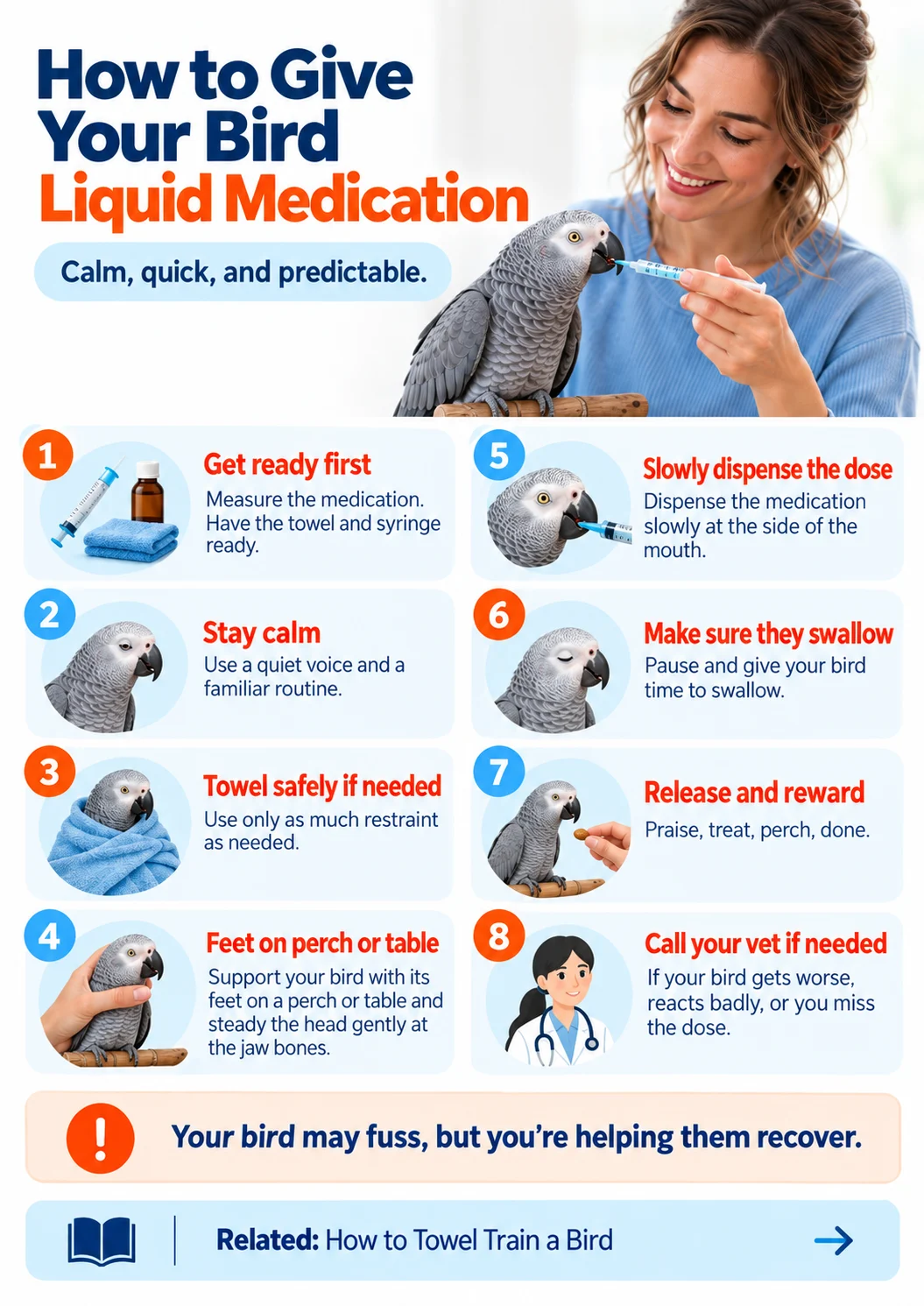
Professional veterinary technicians often highlight that the most common error in home care is poor preparation. Before attempting to capture the bird, the owner must ensure that the environment is controlled and all necessary tools are at hand. This includes the prescribed oral syringe, a clean towel for secure handling, and, if authorized by the veterinarian, a high-value, safe reward to be administered post-treatment.
The chronology of a successful medication session should be as follows:
- Preparation: Verify the dosage and prepare the syringe in a location away from the bird to minimize their anticipation of the event.
- Environment: Secure the bird in a quiet, familiar space. Avoid areas where the bird might fly to avoid the procedure, as this increases the stress response for both parties.
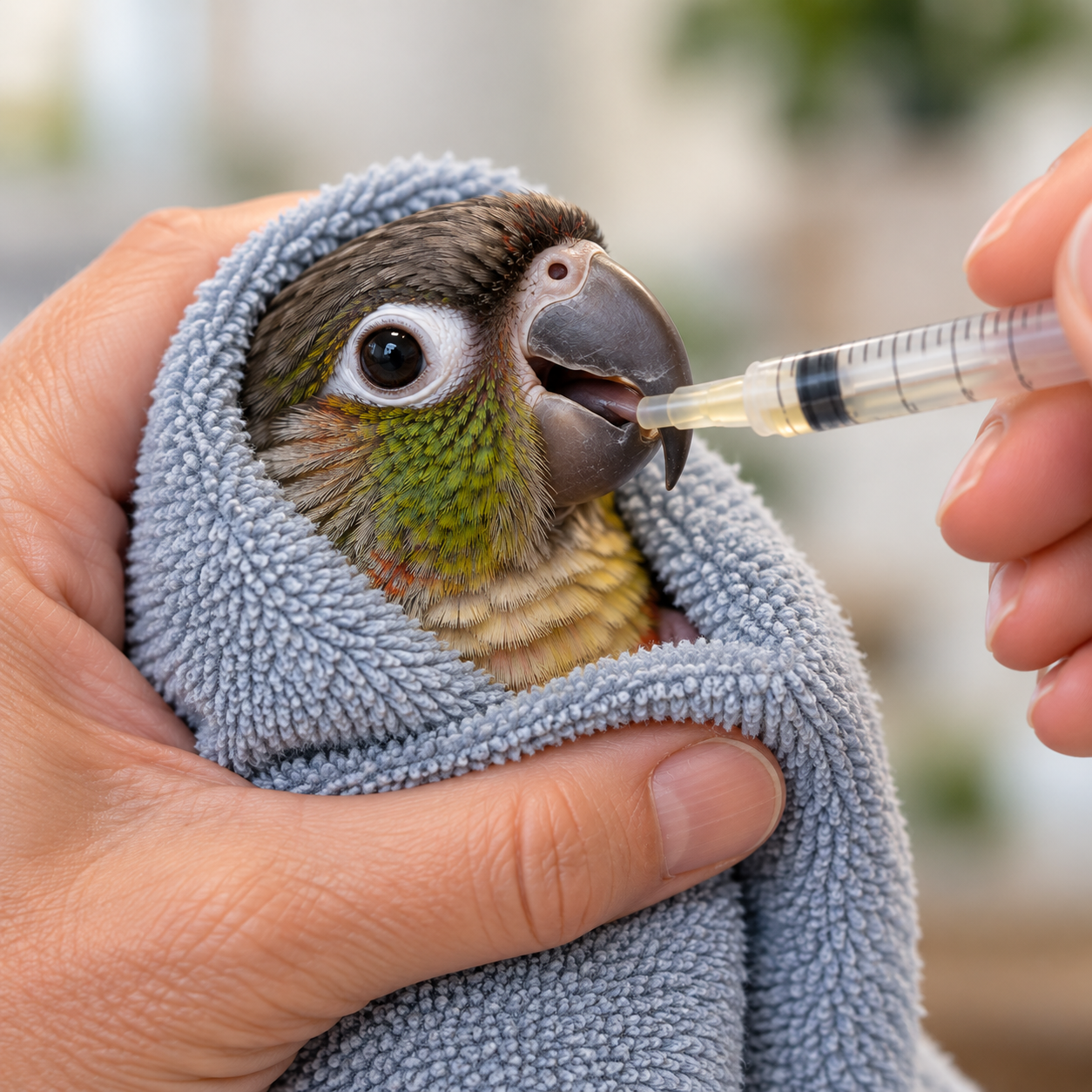
- Restraint: If the bird will not voluntarily accept the syringe, a secure, gentle towel wrap is required. The restraint should focus on immobilizing the wings to prevent injury while ensuring the chest remains uncompressed to facilitate normal respiratory movement.
- Administration: The syringe is placed at the commissure (the corner) of the beak.
- Observation: The medication must be dispensed slowly, allowing the bird to swallow at its own pace. Rapid injection of liquid can lead to aspiration, which poses a severe health risk to avian respiratory systems.
- Release and Reinforcement: The procedure must be concluded immediately following the final dose.
Addressing Common Complications and Challenges
A frequent concern among owners is the bird’s refusal to swallow or the accidental expulsion of the medication. Veterinary guidance dictates that if a significant portion of the dose is lost, the owner should not unilaterally decide to re-dose. Doubling a dose can lead to toxicity, while under-dosing compromises the treatment. Instead, owners are advised to contact the prescribing clinic to report the incident and receive specific instructions on how to adjust for the missed portion.
Furthermore, the practice of hiding medication in food is often discouraged unless specifically cleared by a clinician. Because birds are selective eaters, there is no guarantee that the entire medicated portion will be consumed, making the calculation of the delivered dose impossible. Similarly, adding medication to drinking water is widely considered unreliable due to the inconsistent volume of water a bird may ingest during a 24-hour period.
Clinical Perspectives on Behavioral Adaptation
The psychological impact of forced medication on the human-bird bond is a recurring topic in avian behaviorism. While it is natural for an owner to fear that a bird will "hate" them due to the stress of handling, behaviorists note that avian cognition is highly focused on predictability. By maintaining a consistent, brief, and "boring" routine—towel, dose, release, reward—the owner can minimize the negative association.
"The bird does not need to like the process," explains Diane Burroughs, a specialist in companion bird care. "The objective is to make the process as predictable as a natural behavior. When the routine is consistent, the bird spends less time in a state of high-alert, and the stress is significantly reduced."
The Role of Hospital Cages in Treatment Protocols
For birds requiring long-term medication, the use of a "hospital cage" is a standard clinical recommendation. A hospital cage is typically a smaller, simplified enclosure that limits the bird’s movement and prevents the need for elaborate pursuit during the medication process. By creating a controlled environment, owners can perform the necessary medical tasks with minimal disruption to the bird’s rest cycle. This space also allows for more accurate monitoring of the bird’s symptoms, such as droppings, appetite, and energy levels, which are critical metrics for the veterinarian to track the progress of the recovery.
Strategic Recommendations for Success
Veterinary clinics often suggest that if an owner finds the process insurmountable, a two-person approach may be necessary. One individual acts as the handler, providing gentle and secure restraint, while the second individual focuses exclusively on the steady, accurate delivery of the medication. This division of labor reduces the duration of the restraint, thereby lowering the cumulative stress levels for the animal.
Furthermore, proactive "towel training"—the process of desensitizing a bird to being held in a towel during periods of health—is highly recommended. When a bird is familiar with the sensation of being held for routine checks, the introduction of a syringe becomes a minor modification to an existing behavior rather than a sudden, frightening ordeal.
Summary of Clinical Implications
The successful administration of medication is a critical component of avian veterinary care. It requires a commitment to technique, patience, and strict adherence to the professional guidance provided at the clinic. Owners who invest time in preparation, prioritize the safety and comfort of the bird during handling, and maintain clear communication with their veterinarian are significantly more likely to achieve positive health outcomes.
Should the bird’s condition appear to decline, or should new symptoms emerge during the course of treatment, owners are urged to seek immediate professional consultation. Medical interventions for avian species are sensitive to environmental and behavioral variables, and the professional-client partnership remains the most effective tool in managing the complexities of home-based veterinary care. By focusing on low-stress techniques and evidence-based protocols, bird owners can navigate the challenges of medication with confidence and efficacy.

