


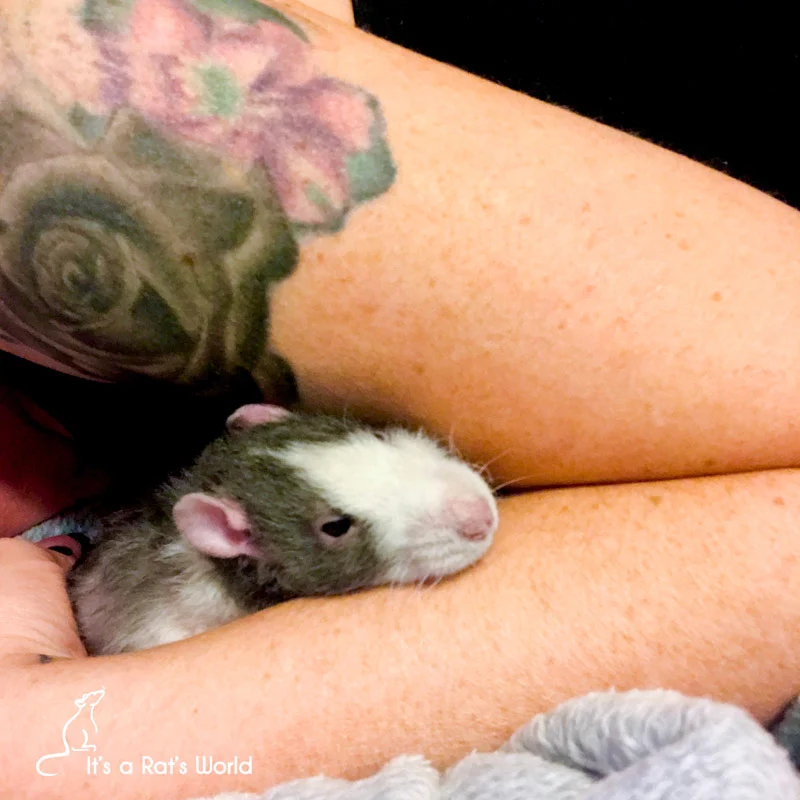
The domestic rat (Rattus norvegicus) has long been misunderstood in popular culture, often relegated to the status of a pest. However, within the pet industry, these highly intelligent rodents are increasingly recognized for their capacity for complex emotional attachment and social bonding. For owners like Brandi Saxton, a prominent figure in the rat advocacy community, the absence of this specific human-animal dynamic highlights a significant shift in the domestic landscape. As the popularity of small mammals as companion animals continues to rise, understanding the behavioral psychology behind rat-human bonding is essential for both novice and experienced keepers.
Behavioral Psychology and Social Intelligence
Rats are social creatures by nature, living in complex hierarchical groups in the wild. This biological predisposition toward social structure is precisely what allows them to integrate into human households. Unlike solitary species, rats rely on physical contact, vocalizations, and scent marking to communicate. Behavioral studies indicate that rats possess a high degree of cognitive empathy. Research published in journals such as Science has demonstrated that rats will prioritize the release of a trapped companion over receiving a food treat, suggesting a form of prosocial behavior that is rare among small mammals.

When applied to a domestic setting, these traits explain why rats often mirror the moods of their owners. The process of bonding is not merely a matter of affection; it is a negotiation of trust. For a prey animal, the environment is inherently threatening. A rat’s initial response to a human is governed by its survival instinct, which views large, moving objects—such as human hands—as potential predators.
Chronology of Trust: From Acclimation to Attachment
The transition from a "skittish" new pet to a bonded companion follows a predictable developmental timeline.
- The Acclimation Phase (Days 1–14): During this period, the rat is primarily focused on environmental safety. Stress hormones like cortisol are at their peak. It is during this time that owners are advised to provide minimal, non-threatening interaction, focusing on olfactory familiarity—allowing the rat to become accustomed to the owner’s scent.
- The Interaction Phase (Weeks 3–8): As the rat begins to recognize the owner as a provider of sustenance and safety, they move into the engagement phase. This is characterized by the cessation of fear-based behaviors, such as freezing or hiding, replaced by exploratory curiosity.
- The Bonding Phase (Month 3 and beyond): This is when deep-seated attachments form. The animal begins to seek out the owner for tactile stimulation, grooming, and proximity. This stage is marked by distinct behaviors such as "boggling" (the rapid vibration of the eyes, often signifying contentment) and "bruxing" (the grinding of teeth).
Data and Environmental Factors in Bonding
Environmental enrichment is a critical factor in the speed and depth of the bond. Studies on rodent cognition suggest that animals kept in static, barren environments show higher levels of anxiety and lower levels of cognitive development compared to those in enriched, interactive environments.
For the average owner, the "quality time" metric is quantifiable. Veterinary behaviorists suggest that a minimum of one to two hours of out-of-cage time per day is necessary to maintain the physical and mental health of domestic rats. Furthermore, the use of "positive reinforcement training"—a technique widely used in marine mammal training—has proven highly effective for rats. By utilizing high-value food rewards to mark desired behaviors, owners can accelerate the trust-building process. Data from the American Rat Association indicates that households that implement structured "training sessions" report a 40% higher rate of owner-satisfaction regarding pet behavior compared to those who practice passive observation.
The Role of Personality Types
Not all rats possess the same temperament. Much like human introverts and extroverts, rats exhibit a spectrum of social openness. Extroverted rats are generally characterized by "neophilia"—an attraction to new experiences and stimuli. These individuals often bond rapidly and may show little fear of new humans. Conversely, "neophobic" or introverted rats require a more systematic approach to trust.
Experts note that the failure to recognize these distinct personality types is the primary cause of "bonding frustration" in new owners. If an owner approaches an introverted rat with the same expectations they might have for an extroverted one, the result is often an increase in stress for the animal and disappointment for the human. The key to successful management of the introverted rat is the respect of boundaries. Forcing interaction on an animal that is not yet ready to engage serves only to confirm the animal’s fear that the human is a threat.

Implications for Animal Welfare
The trend toward "rat ownership" carries with it significant welfare implications. Because rats have relatively short lifespans—typically two to three years—the window for building a meaningful bond is condensed. This reality has led to a growing emphasis on "conscious keeping," where the quality of the interaction is prioritized over the duration of the pet’s life.
Broader impacts of this human-animal bond extend to the owner’s mental health. The release of oxytocin and dopamine during physical interaction with pets is well-documented in human medicine. For those living in urban environments where larger pets like dogs or cats may be impractical, rats provide an accessible, high-intelligence alternative that fills the psychological need for companionship.
Expert Perspectives on Professional Handling
Professional animal trainers emphasize that the most common mistake made by new owners is the "predatory grasp." When an owner reaches down to pick up a rat from above, it mimics the motion of a raptor or other natural predator. To build a secure bond, trainers recommend allowing the rat to approach the hand voluntarily, often by using the hand as a platform rather than a grasping tool.

Furthermore, the "voice association" method remains one of the most effective tools for long-term bonding. By using a consistent, high-pitched, or melodic tone when offering treats or initiating play, the owner becomes a predictable, positive stimulus. This consistency reduces the rat’s baseline stress level, which is a prerequisite for any form of deep, affection-based attachment.
Conclusion: The Lasting Impact of the Bond
Ultimately, the relationship between a human and a rat is a microcosm of animal stewardship. While the bond may vary in intensity from individual to individual, the effort invested in earning the trust of a creature that views the world through a lens of fear is a significant undertaking.
As more households incorporate these intelligent animals into their lives, the focus must remain on the ethical treatment and psychological well-being of the rats. Whether a rat is an extrovert that thrives on constant interaction or a cautious individual that requires months of patience, the value of the connection remains high. The legacy of these relationships, often characterized by the simple joy of shared quiet moments, continues to validate the position of the rat as one of the most rewarding companion animals in the modern home. For those who find themselves "ratless," the lingering impact of these bonds is a testament to the fact that size does not correlate with the depth of emotional intelligence, nor the intensity of the love shared between species.

